Print on Demand Business in Nigeria (2026): How to Sell Custom Products Without Holding Inventory
Get High Paying Surveys
Earn money online by completing simple surveys. No experience needed.
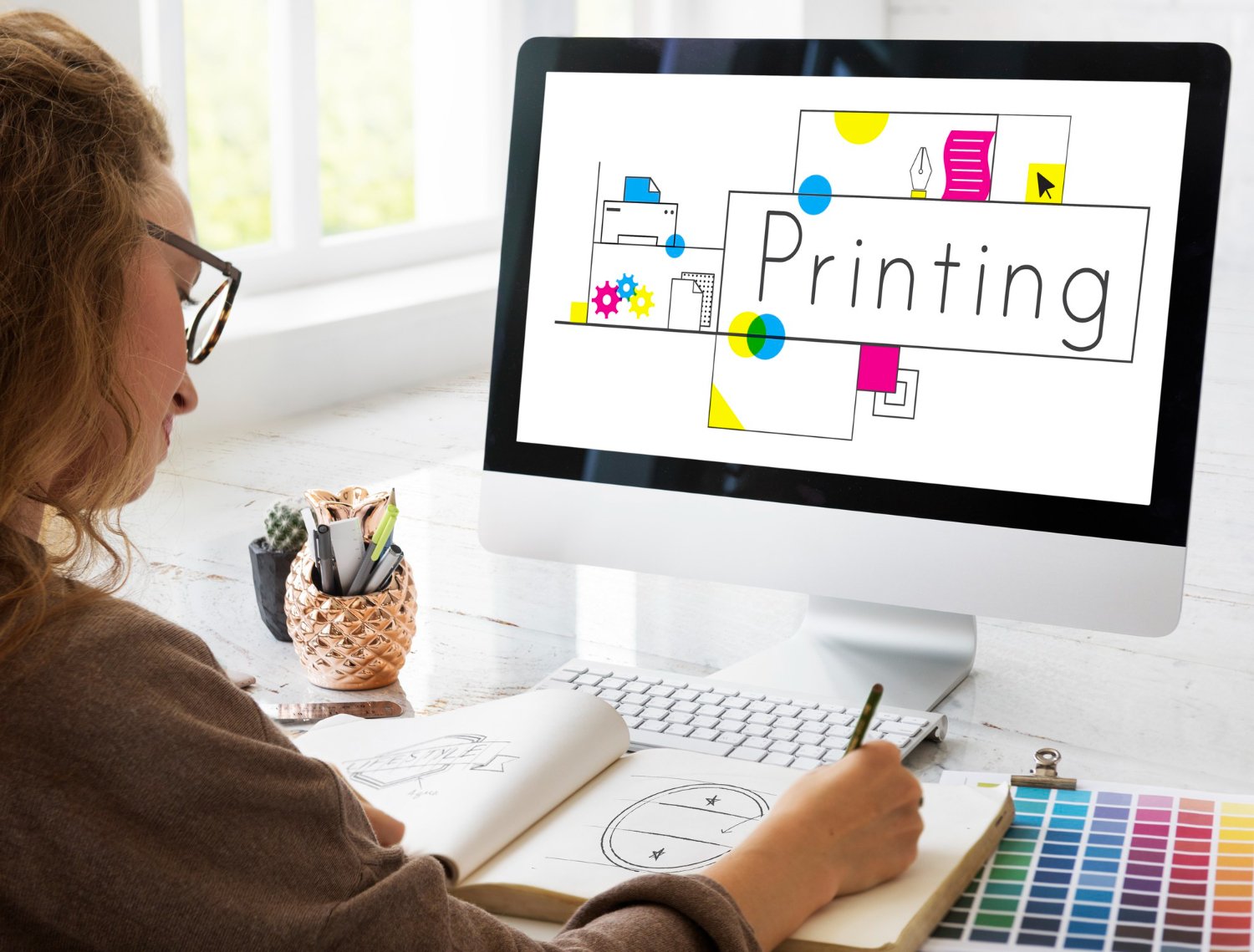
Start Earning →Imagine selling a custom T-shirt with a design you created on your laptop — and never touching the shirt, never visiting a printer, never packing a box. Someone orders it online, a fulfilment company prints and ships it directly to the buyer, and your profit lands in your account.
That is the print-on-demand (POD) model. And in 2026, Nigerians are increasingly building real businesses around it — selling everything from custom T-shirts and hoodies to mugs, phone cases, tote bags, and wall art, both locally and to international buyers.
The appeal is obvious: no upfront inventory cost, no warehouse, no logistics nightmare. But the full picture is more nuanced than the highlight reels make it look — and this guide gives you the complete, honest breakdown of how a print-on-demand business in Nigeria actually works, what it pays, and how to start it properly.
Get High Paying Surveys
Earn money online by completing simple surveys. No experience needed.
Start Earning →What Is Print on Demand, and Can Nigerians Do It?
Print on demand is a business model where you create designs, list them on custom products (T-shirts, mugs, hoodies, phone cases, etc.), and a third-party company prints and ships each item only when a customer orders it. You pay nothing up front and earn the difference between your selling price and the production cost. Yes, Nigerians can run POD businesses — both targeting international buyers through platforms like Printful and Redbubble, and targeting local Nigerian buyers through local printing partnerships. Payments can be received via Payoneer or direct bank transfer, depending on your setup.
Two Models of Print on Demand for Nigerian Entrepreneurs
Before diving into platforms and strategies, it is important to understand that there are two distinct ways Nigerians run POD businesses in 2026 — and they work very differently.
Model 1: International POD (Selling to Global Buyers)
You create designs, list them on global POD platforms (Printful, Redbubble, Merch by Amazon), and sell to buyers in the US, UK, Europe, and beyond. The platform handles printing, shipping, and customer service. You earn a royalty or margin on every sale.
Pros: No logistics involvement at all. Earn in dollars. Massive potential audience.
Cons: High competition. Lower margins. Requires strong design and marketing skills to stand out. Payments require Payoneer or a similar setup.
Model 2: Local POD (Selling to Nigerian Buyers)
You take orders from Nigerian customers, work with a local printing vendor (Printivo, local screen printers, or digital print shops), and manage delivery yourself or through logistics services like GIG Logistics or Sendbox.
Pros: Payment in naira directly. Faster fulfilment. Easier to build a local brand and loyal repeat customers.
Get High Paying Surveys
Earn money online by completing simple surveys. No experience needed.
Start Earning →Cons: More hands-on involvement. Requires managing vendor relationships and delivery logistics.
Most successful Nigerian POD entrepreneurs in 2026 combine both — they run an international POD for passive dollar income while building a local custom product brand for stronger margins and brand loyalty.
International POD Platforms Available to Nigerians
Printful
Printful is the global leader in print-on-demand fulfilment. You connect it to your own Shopify, Etsy, or WooCommerce store, list products with your designs, and Printful automatically fulfils every order placed — printing, packing, and shipping directly to your customer anywhere in the world.
How Nigerian sellers get paid: Your store collects payment from buyers (via Shopify Payments or Etsy). Printful deducts its production cost automatically. Your profit sits in your store balance and is transferred to your Payoneer account, then to your Nigerian bank.
Best for: Sellers who want to build their own branded online store with full control over pricing and customer experience.
Get High Paying Surveys
Earn money online by completing simple surveys. No experience needed.
Start Earning →What you need: A Printful account, a Shopify or Etsy store, your designs (created in Canva, Illustrator, or Photoshop), and a Payoneer account.
Redbubble
Redbubble is a marketplace where you upload your designs, and they automatically apply them to dozens of products — T-shirts, stickers, notebooks, phone cases, duvets, and more. Buyers find your products through Redbubble’s search engine. No store setup required.
How Nigerian sellers get paid: Redbubble pays artist royalties via PayPal or bank transfer. Most Nigerian sellers use Payoneer as an intermediary.
Pros: Zero setup cost. No marketing required in the early stages — Redbubble’s own traffic can drive sales.
Cons: Lower margins. High competition. Less control over your brand.
Best for: Complete beginners who want to test designs with zero investment before committing to a full store setup.
Merch by Amazon
Merch by Amazon is Amazon’s own POD platform. You upload T-shirt designs, Amazon lists them on their marketplace, and pays you a royalty on each sale. Given Amazon’s traffic, a good design in a low-competition niche can generate consistent passive income.
Challenge for Nigerians: Merch by Amazon requires an invitation and has a waitlist. Payment is via direct deposit or cheque — most Nigerian sellers receive via Payoneer linked to a US bank account detail.
Best for: Serious designers willing to wait for approval and focus on data-driven niche research.
Teespring (Now Spring)
Spring (formerly Teespring) allows you to create and sell custom products directly through social media — including YouTube, Instagram, and TikTok integrations. If you have a social media following, Spring lets your audience buy merchandise directly from your profile.
Best for: Nigerian content creators and influencers who want to monetise their audience with branded merchandise.
Local Print on Demand Options in Nigeria
Printivo
Printivo is Nigeria’s most established online print platform. They handle business cards, custom T-shirts, banners, packaging, stickers, and more — with delivery across Nigeria.
For a Nigerian POD business model, you can take orders from customers, place bulk or individual orders on Printivo, and have items delivered to your customers or to a pickup point.
Pricing: Varies by product and quantity. T-shirts typically cost ₦3,500–₦6,000 per unit for small quantities, allowing a healthy markup for retail.
Best for: Entrepreneurs building a local Nigerian custom product brand targeting corporate gifting, events, and fashion.
Local Screen Printers and Digital Print Shops
Every major Nigerian city has local printing vendors — in markets like Computer Village in Lagos, Wuse in Abuja, and Aba in Abia State (which has a large garment printing industry). Building a relationship with a reliable local printer gives you more pricing flexibility and faster turnaround than any online platform.
How to find them: Ask in Nigerian entrepreneur Facebook groups, search Google Maps for “custom T-shirt printing [your city],” or visit your local market printing section directly.
Key advantage: Aba-based printers, in particular, are known for high-volume, affordable custom apparel — making them ideal partners for Nigerian POD sellers doing significant volume.
Sendbox and GIG Logistics (For Local Delivery)
If you are handling local Nigerian orders, Sendbox and GIG Logistics make delivery manageable — both offer pickup from your location and delivery to buyers across Nigeria at competitive rates.
This completes the local POD infrastructure: you take orders online, a local printer produces the items, and a logistics partner delivers them.
Read also: How to Make Money with AI Tools in Nigeria
What to Sell: Best Print on Demand Products for Nigeria
Not every POD product works equally well in every market. Here is what sells in both the Nigerian local market and internationally.
For International Markets (Global POD Platforms)
T-shirts and hoodies: The backbone of every POD store. Evergreen demand, especially for niche communities — pet lovers, professions, hobbies, political expressions, and pop culture.
Stickers: Low price point, high volume potential. Great for building initial sales and reviews on Etsy.
Phone cases: Consistent demand globally. Custom cases for specific phone models remain popular.
Wall art and prints: Interior décor demand is strong, especially in the US and UK. Digital illustrations, inspirational quotes, and niche-specific artwork sell steadily.
Tote bags: Growing demand driven by sustainability trends. Branded, funny, or niche-specific tote designs sell well on Etsy and Redbubble.
For the Nigerian Local Market
Corporate branded items: Companies constantly need branded T-shirts, polo shirts, caps, and branded bags for staff uniforms, events, and promotional giveaways. This is one of the most consistent revenue streams for Nigerian custom product businesses.
Event merchandise: Owanbe T-shirts, family reunion custom apparel, church anniversary items, and political campaign merchandise all represent significant order volumes in Nigeria.
Customised gifts: Personalised mugs, T-shirts, and phone cases for birthdays, Valentine’s Day, and anniversaries. The personalised gift market in Nigeria is growing rapidly and is less price-sensitive than generic custom products.
Afrocentric designs: There is a growing global appetite for African-inspired designs, Yoruba, Igbo, and Hausa cultural expressions, and Pan-African artwork. Nigerian designers have a natural advantage in authenticity here, and these designs perform well on Redbubble and Etsy with the right keywords.
Design — The Most Important Part of Your POD Business
Here is something most POD guides skim over: your designs are your entire business. On international platforms, especially, the quality and originality of your designs determines everything — discoverability, conversion rate, and how long your products stay relevant.
Design Tools for Nigerian POD Sellers
Canva Pro: Excellent for text-based designs, quote T-shirts, and simple graphics. The free tier works for basic designs, but Pro gives you more fonts and elements.
Adobe Illustrator: The professional standard for POD design. Vector files ensure your designs print crisply at any size. Worth learning seriously if you plan to scale.
Procreate (iPad): If you have access to an iPad with Apple Pencil, Procreate is outstanding for hand-drawn illustrations and original artwork that stands out from mass-produced POD designs.
Kittl and Creative Fabrica: These platforms offer POD-specific design templates and elements — many Nigerian POD sellers use them to speed up the design process while maintaining originality.
What Makes a Good POD Design
- Niche specificity: “Dog lover” is too broad. “Vizsla dog mum” targets a passionate, smaller community willing to pay for something that feels made exactly for them.
- Simplicity: Designs that look great on screens do not always print well. Clean, bold designs with limited colours print more crisply and look better on products.
- Trend awareness: Use tools like Pinterest Trends and Google Trends to spot rising design themes before they peak.
- Original artwork: As platforms tighten copyright enforcement, original designs — not remixed pop culture references — are increasingly the only safe long-term strategy.
How to Start a Print on Demand Business in Nigeria: Step-by-Step
Step 1: Choose your model. Decide whether you are starting with international POD (Redbubble or Etsy + Printful), local Nigerian POD, or both. Beginners should pick one model to learn first.
Step 2: Set up your Payoneer account. For international POD earnings, Payoneer is essential. Create a free account at Payoneer, complete verification, and link it to your Nigerian bank account. This is how your dollar earnings eventually reach your bank.
Step 3: Create your first designs. Start with five to ten designs in a specific niche. Do not try to cover every niche at once. Research your niche on Etsy by searching keywords and observing which designs have strong sales (indicated by review counts and bestseller badges).
Step 4: Open your store or upload to a marketplace
- Redbubble: Simply create an account and upload designs directly. Fastest to start.
- Etsy + Printful: Create an Etsy store, connect to Printful, list your products with keyword-optimised titles and descriptions.
- Local model: Create an Instagram or Facebook page, post product photos (mockups are fine to start), and take orders via DM or WhatsApp.
Step 5: Use mockups to showcase products. Buyers need to see what your design looks like on the actual product. Use free mockup generators like Placeit or Printful’s built-in mockup tool to create professional product photos without ordering samples.
Step 6: Optimise for search (especially on Etsy). Etsy is a search engine. Every listing needs a keyword-rich title, 13 relevant tags, and a descriptive product description. Research keywords using the Etsy search bar (what autofills is what people are searching for) or tools like EtsyHunt.
Step 7: Promote your store
- Pinterest: POD products perform exceptionally well on Pinterest. Pin every product with keyword-rich descriptions. Pinterest traffic is long-lasting — a pin from two years ago can still drive sales today.
- Instagram: Show designs in lifestyle contexts (not just flat mockups) to build an emotional connection with potential buyers.
- TikTok: Behind-the-scenes design process videos and “POD income reveal” content have built audiences for many POD creators.
Building a Local Nigerian T-Shirt Business
If you are focused on the Nigerian market specifically, here is how to build a profitable custom T-shirt business:
Find your customer category first. Corporate clients (companies needing staff uniforms), event organisers (weddings, churches, family reunions), schools and universities, and political campaigns are the most consistent buyers of custom apparel in Nigeria.
Build a portfolio of sample photos. Even before your first real order, create samples using a local printer, photograph them professionally (outdoors in good lighting, worn by real people), and use these photos to attract clients.
Set your pricing structure clearly. Price per unit should account for: printing cost + your margin (typically 40–70% markup) + delivery cost. For example, if printing costs ₦4,500 per shirt, pricing at ₦7,500–₦9,000 per unit is reasonable and competitive.
Use WhatsApp Business as your storefront. Set up a WhatsApp Business account with a product catalogue showing your custom apparel options, pricing tiers (individual vs. bulk), and turnaround times. Many Nigerian custom apparel buyers are most comfortable ordering through WhatsApp.
Minimum order quantities: Consider requiring a minimum of 10–20 pieces for custom orders to make production economical and your time worthwhile.
Mistakes to Avoid in Print on Demand Nigeria
1. Copying other designers’ work. Intellectual property violations on POD platforms result in account suspension. This means losing all your listings, reviews, and income overnight. Only upload original designs or properly licensed elements. This is not a corner to cut.
2. Uploading generic designs with no niche focus, “Inspirational quotes” in a generic font on a white T-shirt, competes with millions of similar products. Niche down aggressively. The more specific your target buyer, the less competition and the higher your conversion rate.
3. Expecting fast results on international platforms, POD stores on Etsy and Redbubble typically take 3–9 months to generate consistent sales — especially for new sellers with no reviews. The algorithm rewards stores that have been active for longer. Patience and consistent uploading are non-negotiable.
4. Ignoring print quality requirements, POD platforms require high-resolution files — typically 300 DPI minimum. Low-resolution uploads produce blurry, pixelated prints that generate bad reviews and returns. Always check platform-specific file requirements before uploading.
5. Neglecting keywords on Etsy: A beautiful design with poor keywords is invisible. Etsy buyers cannot find what they cannot search for. Keyword research is as important as design quality on Etsy — treat it with equal seriousness.
6. Using copyrighted characters or phrases, Disney, Marvel, sports team logos, celebrity names, and countless popular phrases are trademarked. Using them on POD products is a fast route to a cease and desist letter and account suspension. Original designs only.
7. Pricing too low on international platforms, Nigerian sellers sometimes underprice, thinking it will attract more buyers. On Etsy, especially, extremely low prices often signal low quality to buyers. Price competitively within your niche — not at the absolute bottom.
Tools Every Nigerian POD Seller Needs
| Tool | Purpose | Cost |
|---|---|---|
| Canva Pro | Design creation | ₦~5,500/month |
| Adobe Illustrator | Professional vector design | Paid subscription |
| Placeit | Product mockup generation | Free / Paid |
| Printful | International POD fulfilment | Free (pay per order) |
| Printivo | Local Nigerian printing | Pay per order |
| Payoneer | Receiving international payments | Free |
| EtsyHunt / Marmalead | Etsy keyword research | Free / Paid |
| Free traffic for POD products | Free | |
| Sendbox | Local Nigerian delivery | Pay per shipment |
| Google Trends | Design trend research | Free |
Honest Earning Expectations
International POD (Etsy / Redbubble / Printful)
| Stage | Monthly Earnings | What It Looks Like |
|---|---|---|
| Month 1–3 | $0 – $50 | Building listings, getting first sales |
| Month 3–6 | $50 – $200 | Algorithm starting to reward active store |
| Month 6–12 | $200 – $800 | Consistent sales, strong designs ranking |
| Year 2+ | $500 – $3,000+ | Scaled catalogue, strong reviews, repeat buyers |
Local Nigerian POD (Custom Apparel Business)
| Stage | Monthly Earnings | What It Looks Like |
|---|---|---|
| Getting started | ₦30,000 – ₦80,000 | First corporate and event orders |
| Growing | ₦100,000 – ₦300,000 | Repeat clients, word-of-mouth referrals |
| Established | ₦300,000 – ₦800,000+ | Multiple corporate accounts, consistent event orders |
The local model generates naira faster. The international model earns dollars with more passive potential at scale. Combined, they represent a powerful dual-income structure.
Frequently Asked Questions
Q: Can I start a print-on-demand business in Nigeria with no money? Almost. Platforms like Redbubble are completely free to join — you upload designs and earn royalties with zero upfront cost. Canva’s free tier can handle basic design work. The only real cost is your time and internet data. For Etsy, there is a small listing fee ($0.20 per listing) — manageable even on a tight budget.
Q: How do Nigerian POD sellers receive international payments? Most Nigerian POD sellers receive earnings via Payoneer, which accepts payments from platforms like Etsy, Redbubble, and Printful. Payoneer then allows you to withdraw directly to your Nigerian bank account in naira.
Q: Is print-on-demand profitable in Nigeria in 2026? Yes, but profitability depends entirely on your approach. International POD is profitable for sellers with strong, niche-focused designs and patience for a 6–12 month ramp-up. Local Nigerian POD is profitable faster — especially targeting corporate clients — but requires more active involvement. Both models are legitimate businesses, not passive shortcuts.
Q: Do I need a registered business to run a POD business in Nigeria? Not to start. Many Nigerian POD sellers begin as individuals and register formally (as a business name with the CAC) once revenue grows and they need a business bank account or want to formalise contracts with corporate clients. Registration is straightforward and costs approximately ₦10,000–₦15,000 through the CAC online portal.
Q: What designs sell best on Redbubble and Etsy for Nigerian sellers? Afrocentric and cultural designs are a natural strength for Nigerian sellers — authentic African patterns, proverbs in local languages, and culturally specific illustrations have growing global demand. Beyond that, evergreen niches like pet breeds, professions, hobbies, and fandoms perform consistently on both platforms regardless of the seller’s location.
Q: How do I handle customer complaints and returns in a POD business? For international platforms, the POD fulfilment company (Printful, Redbubble) handles production errors and reprints. Your responsibility is responding to customer messages promptly. For local Nigerian orders, establish a clear policy upfront — most custom apparel sellers in Nigeria do not accept returns on personalised items unless there is a printing defect, in which case the vendor typically covers the reprint cost.
Conclusion
A print-on-demand business in Nigeria in 2026 is a real, accessible opportunity — but it rewards people who treat it seriously, not those looking for a shortcut.
The international model offers dollar income and genuine passive potential, but requires patience, design quality, and keyword knowledge to build momentum. The local model offers faster naira income and stronger margins, but requires relationship-building, logistics management, and consistent client acquisition.
The best Nigerian POD entrepreneurs in 2026 are not waiting for one model to “work” — they are building both simultaneously, using international sales to generate dollar income while building a local Nigerian brand that grows through word-of-mouth and community trust.
Your designs are your product. Your consistency is your strategy. Your niche is your competitive advantage.
Start with five designs in one specific niche. Upload them this week. Learn from what sells and what does not. Adjust. Upload more.
The sellers earning $1,000 a month from Redbubble started with the same blank design canvas you have right now. The difference is that they kept going.
Read also:
- How to Make Money with AI Tools in Nigeria
- Affiliate Marketing in Nigeria for Beginners
- Selling Digital Products in Nigeria
- How to Make Money on Facebook in Nigeria
Get High Paying Surveys
Earn money online by completing simple surveys. No experience needed.
Start Earning →