9 Colors Every Man Should Master Before Trying Bold Combos
You’ve probably stood in front of your closet, seen a mustard sweater or a burgundy shirt you bought on a whim, and had no idea what to pair it with.
So it hangs there, unworn, while you reach for the same three safe outfits on repeat. This isn’t a lack of style — it’s a missing foundation.
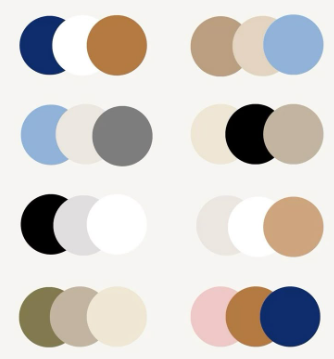
Bold colors are fun, but they only work once you understand the neutral and near-neutral colors that support them.
Most men skip straight to “interesting” colors because that’s what looks exciting on a mannequin or an influencer’s feed. But without a color foundation underneath, those bold pieces become one-outfit-only items instead of versatile additions to your wardrobe.
The men who look effortlessly put together aren’t wearing more colors than you — they’ve just mastered a smaller set of colors that combine in dozens of ways.
This guide breaks down the 9 colors every man should master first, why each one matters, and exactly how to combine them — so that when you’re finally ready to add a bold burgundy or a statement print, you’ll actually know how to make it work instead of guessing.
Quick Answer: The 9 essential colors are navy, white, grey (light and charcoal), black, brown/tan, olive, light blue, denim blue, and burgundy. Master these in that order, and you’ll have a color system flexible enough to build hundreds of coordinated outfits before ever needing a “bold” piece.
Why Color Order Matters
Not all colors deserve equal priority. Some, like navy and white, combine with almost everything and should form the backbone of your wardrobe.
Others, like burgundy, are useful accent colors but shouldn’t be your third or fourth purchase. Learning colors in the wrong order is exactly why many beginner wardrobes feel scattered — a closet full of “interesting” colors with nothing neutral to anchor them.
Think of these 9 colors on a spectrum from “foundation” to “accent.” The first few should appear constantly across your wardrobe. The last few should appear occasionally, adding personality without taking over.
1. Navy
What It Is
A deep, slightly muted blue — darker than royal blue, without the blackish tone of midnight navy.
Why It Matters
Navy is arguably the single most versatile color in men’s fashion. It reads as more sophisticated than black in casual and business settings, pairs with nearly every other color on this list, and works across seasons without feeling out of place.
Why Beginners Overlook It
Navy can feel “boring” next to brighter colors, so beginners often skip it in favor of something flashier for a first blazer or sweater purchase — not realizing navy will get worn ten times more often.
Common Mistakes
- Confusing navy with black in low light, leading to accidental mismatches
- Pairing navy with black in the same outfit, which can look like a mistake rather than an intentional choice
- Avoiding navy because it “doesn’t stand out,” missing its actual value as a foundation color
How to Use It Correctly
Use navy for your most-worn pieces: a blazer, chinos, or a sweater. It pairs cleanly with white, light blue, grey, tan, and burgundy.
Stylist Tip: If you can only own one blazer, make it navy — it works with more shirt and trouser combinations than any other color, including black.
Budget-Friendly Alternatives
Navy is widely available across every price point, so there’s no need to spend extra here — focus your budget on fit and fabric quality instead of chasing a specific “designer” shade.
Situations Where It Works Best
Business casual, interviews, dinners, weddings, everyday casual wear.
Situations Where It May Not Work
Rarely a poor choice — navy is one of the few colors with almost no bad context, aside from very casual beach or athletic settings where it can look slightly out of place.
Example Outfit
Navy blazer + white dress shirt + grey trousers + brown shoes = a business casual outfit that works in nearly any office.
Key Takeaway: If you buy nothing else from this list, buy navy first — it will outwork every other color in your closet.
2. White

What It Is
A clean, true white — not cream, not off-white, not “vintage wash.”
Why It Matters
White is the ultimate neutral. It brightens darker outfits, provides contrast against navy, grey, and brown, and works in both dressed-up and dressed-down contexts depending on the item (dress shirt vs. t-shirt).
Why Beginners Overlook It
White feels “risky” to some beginners because of stain concerns, so they default to grey or light blue instead — missing out on the crispness only true white provides.
Common Mistakes
- Choosing off-white or cream thinking it’s more “versatile,” when it actually clashes more with true whites and brights
- Ignoring fabric quality, leading to see-through or quickly yellowing white garments
- Avoiding white sneakers or shirts due to maintenance concerns, despite them being some of the highest-impact items available
How to Use It Correctly
Use white as your primary shirt and sneaker color. It pairs with literally every color on this list without exception.
Maintenance Tip: Wash whites separately in cold water and treat stains immediately — most yellowing comes from heat exposure (dryers, ironing over stains) rather than normal wear.
Budget-Friendly Alternatives
White basics are widely available at every price point — prioritize fabric weight (look for at least 180 GSM in t-shirts) over brand name.
Situations Where It Works Best
Nearly everywhere — casual, business casual, dates, weddings, interviews.
Situations Where It May Not Work
Messy or active situations (certain travel days, outdoor work) where staining is a real practical concern.
Example Outfit
White dress shirt + navy chinos + brown belt and shoes = clean, simple, business casual.
Key Takeaway: White is the color that makes every other color on this list look sharper by contrast.
Read also: 8 Budget-Friendly Brands Perfect for Building a Starter Wardrobe
3. Grey (Light Grey and Charcoal)
What It Is
Two shades worth owning: a light heather grey for casual layers, and a deep charcoal for more formal pieces.
Why It Matters
Grey acts as a bridge between navy and black, softening outfits that might otherwise feel too stark. Light grey works beautifully in casual knitwear, while charcoal substitutes for black in more refined settings.
Why Beginners Overlook It
Grey can feel like an “extra” color rather than an essential one, so it often gets skipped in favor of more items in navy or black — leaving a gap in texture and tonal variety.
Common Mistakes
- Treating all greys as interchangeable, when light grey and charcoal serve very different purposes
- Pairing light grey with black, which can create an unflattering, washed-out contrast
- Overlooking grey sweaters, one of the most versatile layering pieces available
How to Use It Correctly
Use light grey for casual knitwear and t-shirts; use charcoal for trousers, blazers, and more formal layers. Grey pairs especially well with navy, white, and burgundy.
Fit Tip: Charcoal trousers paired with a navy blazer create a subtler, more modern alternative to a full matching suit.
Budget-Friendly Alternatives
Grey sweaters and tees are widely available across price ranges — cotton-wool blends offer good warmth-to-price value for the light grey shade specifically.
Situations Where It Works Best
Business casual (charcoal), casual layering (light grey), fall and winter dressing.
Situations Where It May Not Work
Very casual summer settings, where lighter, brighter tones often feel more seasonally appropriate.
Example Outfit
Light grey crewneck + white collared shirt underneath + navy chinos + brown boots = a layered smart casual look for cooler weather.
Key Takeaway: Grey isn’t a backup color — it’s the tonal bridge that makes navy and black outfits feel less rigid.
4. Black
What It Is
A true, deep black — most useful in shoes, belts, and select formal pieces rather than as a dominant everyday wardrobe color.
Why It Matters
Black is essential for formal and evening contexts — funerals, black-tie events, certain dress shoes — but it’s more limited in daytime versatility than navy, which is why it sits fourth on this list rather than first.
Why Beginners Overlook It
Ironically, many beginners over-rely on black rather than overlook it, defaulting to it for everything from shoes to jackets. The mistake isn’t avoiding black — it’s using it too broadly instead of strategically.
Common Mistakes
- Wearing black head-to-toe in casual daytime settings, which can look overly severe or event-specific
- Mixing black and navy in the same outfit, which rarely reads as intentional
- Assuming black shoes work with every outfit, when brown is often the more versatile daytime choice
How to Use It Correctly
Reserve black primarily for formal shoes, belts (matched to black shoes), and select evening or funeral attire. Use it sparingly elsewhere to keep its impact strong when it matters.
Common Mistake: Wearing a black belt with brown shoes, or vice versa — always match belt to shoe color, not to your pants.
Budget-Friendly Alternatives
A single quality black leather belt and pair of black dress shoes cover formal needs — no need for an extensive black wardrobe beyond these functional pieces.
Situations Where It Works Best
Funerals, black-tie events, formal dress shoes and belts, evening events.
Situations Where It May Not Work
Daytime business casual and casual settings, where navy or brown typically read as more approachable and versatile.
Example Outfit
Black suit + white dress shirt + black leather shoes and belt = appropriate formal attire for a funeral or evening formal event.
Key Takeaway: Black is a precision tool for formal moments, not an everyday base color the way navy is.
5. Brown / Tan

What It Is
A range from warm chestnut brown to lighter tan — most commonly seen in leather goods and certain fabrics like chinos and corduroy.
Why It Matters
Brown and tan are essential for daytime versatility, especially in leather shoes and belts, which pair more naturally with navy, olive, and denim than black does.
Why Beginners Overlook It
Many beginners assume black is the “default” formal shoe and belt color, overlooking how much more often brown gets worn across casual and business casual contexts.
Common Mistakes
- Owning only black dress shoes and missing out on brown’s superior daytime versatility
- Pairing very dark brown with black in the same outfit, creating a muddy, unintentional contrast
- Ignoring tan as a chino and trouser color, sticking only to navy and grey
How to Use It Correctly
Use brown for daytime dress shoes, boots, and belts. Use tan for chinos and warm-weather trousers. Brown pairs exceptionally well with navy, olive, denim, and white.
Shopping Tip: A single pair of medium-brown leather derbies or boots will outwork black dress shoes in casual and business casual settings by a wide margin.
Budget-Friendly Alternatives
Mid-range brown leather goods often look nearly identical to premium options once broken in slightly — prioritize genuine leather over brand name.
Situations Where It Works Best
Business casual, interviews, weekend smart casual, everyday footwear and belts.
Situations Where It May Not Work
Formal black-tie events or funerals, where black remains the appropriate standard.
Example Outfit
Tan chinos + white t-shirt + brown leather shoes + navy overshirt = relaxed but polished smart casual.
Key Takeaway: Brown, not black, is the workhorse color for daytime shoes and belts in most men’s wardrobes.
6. Olive

What It Is
A muted, earthy green — closer to military green than bright or forest green.
Why It Matters
Olive is the most versatile “non-neutral neutral” a man can own. It functions almost like a second brown or grey, pairing easily with the rest of this list while adding subtle visual interest.
Why Beginners Overlook It
Olive gets mentally filed under “green,” which many beginners assume is a bold, hard-to-match color. In reality, its muted, earthy tone behaves more like a neutral than a bright accent.
Common Mistakes
- Confusing olive with brighter greens (hunter, kelly, lime), which are genuinely harder to match
- Only using olive in outerwear (jackets), missing its potential in sweaters, chinos, and overshirts
- Pairing olive with black, which creates a harsher, less flattering contrast than pairing it with brown or navy
How to Use It Correctly
Use olive for overshirts, light jackets, and casual chinos. It pairs beautifully with white, tan, denim, and brown.
Stylist Tip: An olive overshirt is one of the highest-value layering pieces a man can own — it adds texture and color without clashing with almost anything underneath.
Budget-Friendly Alternatives
Olive overshirts and jackets are widely available at mid-range price points and tend to hide minor wrinkles and wear better than brighter colors.
Situations Where It Works Best
Casual outings, travel, weekend layering, fall and spring dressing.
Situations Where It May Not Work
Formal business or black-tie settings, where olive reads too casual regardless of the garment.
Example Outfit
Olive overshirt (open) + white tee + denim jeans + white sneakers = an effortless weekend uniform with just enough color.
Key Takeaway: Olive is the easiest “colorful” color to introduce, because it behaves like a neutral in almost every combination.
7. Light Blue
What It Is
A soft, pale blue — most common in dress shirts and casual button-ups, distinct from the deeper tone of denim.
Why It Matters
Light blue softens the starkness of a plain white shirt while remaining nearly as versatile. It flatters most skin tones and pairs seamlessly with navy, grey, and brown.
Why Beginners Overlook It
Many beginners assume white is the only “safe” shirt color and skip light blue entirely, missing out on a shade that’s arguably just as flexible with slightly more visual warmth.
Common Mistakes
- Owning only white dress shirts and never introducing light blue for variety
- Pairing light blue with navy trousers of a very similar shade, creating a flat, matchy look rather than intentional contrast
- Choosing light blue in low-quality, overly shiny synthetic fabric
How to Use It Correctly
Use light blue as your second dress shirt color after white. It pairs especially well with navy, grey, tan, and brown.
Fit Tip: For business casual settings, alternate between white and light blue dress shirts to avoid outfit repetition without needing to buy patterned shirts.
Budget-Friendly Alternatives
Light blue cotton dress shirts are widely available at the same price points as white — there’s no cost premium for adding this color to your rotation.
Situations Where It Works Best
Business casual, interviews, dates, everyday smart casual dressing.
Situations Where It May Not Work
Very casual or athletic settings, where a collared shirt in general would be out of place.
Example Outfit
Light blue dress shirt + grey trousers + brown shoes + brown belt = a fresh alternative to the all-white shirt look for the office.
Key Takeaway: Light blue does everything white does, with a touch more warmth and visual interest.
8. Denim Blue

What It Is
The medium-to-dark indigo tone most associated with jeans, distinct from both navy (more muted, no visible weave) and light blue (much paler).
Why It Matters
Denim blue is essential because jeans are a wardrobe staple, and understanding how denim’s specific shade interacts with your other colors prevents accidental mismatches, especially with navy.
Why Beginners Overlook It
Many men treat all blues as interchangeable, not realizing that pairing denim jeans with a very similarly-toned navy top can create a flat, matchy look rather than an intentional one.
Common Mistakes
- Pairing dark denim with navy tops of a near-identical shade, reducing visual contrast
- Assuming all denim washes work the same way — light wash reads far more casual than dark wash
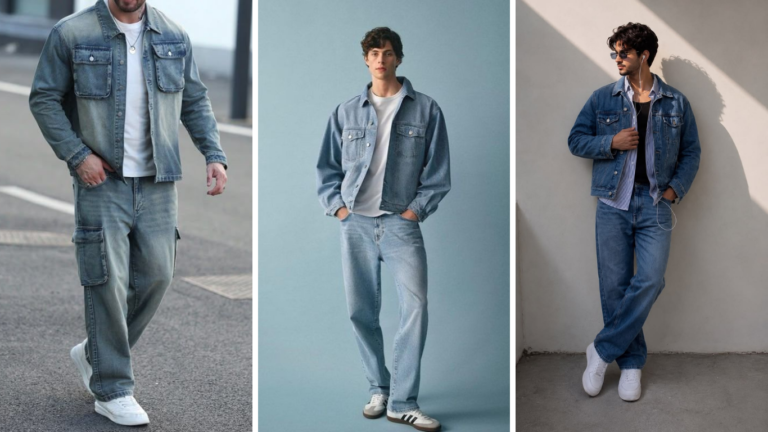
- Ignoring denim jackets as a separate category from denim jeans, and accidentally wearing two different denim washes together (the “double denim” mismatch)
How to Use It Correctly
Use dark wash denim as your primary jean color for versatility. Pair with white, grey, olive, and tan for the cleanest contrast; be more careful when pairing with navy, ensuring a visible tonal difference.
Common Mistake: Wearing a light denim jacket over dark denim jeans without enough contrast between the two washes, which reads as an unintentional mismatch rather than a styled double-denim look.
Budget-Friendly Alternatives
Mid-range dark wash denim provides excellent versatility without needing premium “heritage” denim pricing — focus on fit and wash consistency over brand name.
Situations Where It Works Best
Casual outings, weekends, travel, casual Fridays.
Situations Where It May Not Work
Formal interviews, funerals, black-tie or formal weddings.
Example Outfit
Dark denim jeans + white t-shirt + olive overshirt + white sneakers = a reliable, low-effort weekend outfit with good tonal contrast.
Key Takeaway: Treat denim as its own distinct shade of blue, not interchangeable with navy, to avoid accidental tonal clashes.
9. Burgundy

What It Is
A deep, muted red-brown — the first genuinely “bold” color on this list, best used as an accent rather than a dominant color.
Why It Matters
Burgundy is the safest entry point into bolder colors because it’s muted enough to pair with the neutrals you’ve already mastered, while still adding noticeable personality to an outfit.
Why Beginners Overlook It
Beginners often skip straight to brighter reds or jump to burgundy too early, before establishing the neutral foundation that makes it work. Used in isolation, without the right neutrals underneath, burgundy can look disconnected from the rest of an outfit.
Common Mistakes
- Introducing burgundy before mastering navy, white, and grey, resulting in a piece that doesn’t match anything else owned
- Pairing burgundy with black, which can create a harsh, almost gothic contrast rather than a refined one
- Overusing burgundy across multiple pieces in one outfit, which overwhelms rather than accents
How to Use It Correctly
Introduce burgundy in small doses — a sweater, a knit tie, or a pair of boots — paired with navy, grey, tan, or white as the dominant colors in the outfit.
Confidence Tip: Start with a burgundy sweater or a pair of burgundy boots rather than a full burgundy shirt or jacket — smaller doses are easier to style and less risky while you’re still building confidence with color.
Budget-Friendly Alternatives
A single burgundy sweater or knit accessory is an affordable way to test the color before investing in higher-cost items like burgundy leather boots.
Situations Where It Works Best
Fall and winter dressing, dinners, dates, business casual settings looking for a subtle standout piece.
Situations Where It May Not Work
Summer or very casual daytime settings, where the deep tone can feel visually heavy.
Example Outfit
Burgundy sweater + white collared shirt + grey trousers + brown shoes = a refined outfit with just enough color to stand out without overwhelming.
Key Takeaway: Burgundy is the reward color — introduce it once your neutral foundation is solid, and it will look intentional rather than random.
Comparison Table: Neutral Colors vs. Accent Colors
| Category | Colors | Role in Wardrobe | How Often to Wear |
|---|---|---|---|
| Foundation neutrals | Navy, white, grey | Base of nearly every outfit | Constantly |
| Functional neutrals | Black, brown/tan | Formal and daytime footwear, belts | Regularly, by context |
| Flexible near-neutrals | Olive, light blue, denim | Add subtle variety without clashing | Frequently |
| Accent colors | Burgundy | Add personality in small doses | Occasionally, intentionally |
Color Matching Table: What Pairs Well With What
| Color | Best Pairings | Use Sparingly With |
|---|---|---|
| Navy | White, grey, tan, light blue, burgundy | Black (can look mismatched) |
| White | Everything | N/A |
| Grey | Navy, white, burgundy, denim | Black (can wash out contrast) |
| Black | White, grey, denim (in select formal contexts) | Navy, brown |
| Brown/Tan | Navy, olive, denim, white | Black |
| Olive | White, tan, denim, brown | Black |
| Light Blue | Navy, grey, tan, brown | Denim of a very similar shade |
| Denim | White, grey, olive, tan | Navy of a similar tone |
| Burgundy | Navy, grey, tan, white | Black, bright colors |
Body Type Notes for Color Use
Color choice doesn’t change dramatically by body type, but proportion and placement do:
Slim men: Lighter colors (light blue, tan, light grey) on top can add visual width, balancing a leaner frame.
Athletic men: Most colors work well; focus more on fit than color strategy, since an athletic build showcases structured pieces regardless of shade.
Broad men: Darker, more uniform color pairings (navy with charcoal, for example) create a leaner, more streamlined silhouette than high-contrast combinations.
Tall men: Breaking up an outfit with contrasting colors top and bottom (navy top, tan bottom) can prevent a single dominant color from making the frame look even longer.
Short men: Monochromatic or tonal outfits (navy on navy, or head-to-toe neutral tones) create a longer visual line than strong color-blocking with high contrast.
Plus-size men: Darker, more uniform tones (charcoal, navy, black) tend to create a cleaner silhouette than bright, high-contrast color pairings.
Common Mistakes When Working With Color
Mistake 1: Buying Bold Colors Before Building Neutrals
A bold piece without a neutral foundation ends up as a rarely-worn “one-outfit” item.
Fix: Build out navy, white, and grey first — bold colors become vastly more useful once you have neutrals to pair them with.
Mistake 2: Matching Too Literally
Trying to match colors exactly (same shade of blue top and bottom) often looks flatter than intentional contrast.
Fix: Aim for complementary tones rather than identical shades — slightly different depths of the same color family read as more deliberate.
Mistake 3: Overloading an Outfit With Colors
Wearing three or more strong colors at once often looks chaotic rather than stylish.
Fix: Stick to a maximum of two dominant colors plus one neutral in a single outfit until you’re confident mixing more.
Mistake 4: Ignoring Undertones
Warm colors (tan, olive, burgundy) and cool colors (navy, grey, light blue) can clash subtly when mixed carelessly.
Fix: When combining a warm and cool color, use a neutral (white or grey) to bridge them.
Mistake 5: Avoiding Color Entirely Out of Fear
Some beginners overcorrect and wear only black and grey, avoiding any color mistakes by avoiding color altogether.
Fix: Introduce one near-neutral (olive, light blue, tan) at a time, using the pairing table above as a guide.
Budget Strategy for Building a Color Wardrobe
Where to save money: Foundational neutrals like navy, white, and grey basics — these are widely available at every price point and don’t require premium pricing to look good.
Where to spend more: Leather goods in brown and black (shoes, belts), since better leather ages and wears more gracefully over years of use than budget alternatives.
How to build gradually: Master navy, white, and grey in month one. Add black and brown functional pieces (shoes, belts) in month two. Introduce olive, light blue, and denim over the following two months. Save burgundy or other accent colors for once the rest of the system is in place.
Maximizing cost per wear: Neutral colors naturally get worn more often than bold ones, which means they’ll always have a lower cost per wear — this is exactly why they should make up the majority of your wardrobe budget.
Budget Tip: Before buying any bold or accent color, make sure you can name at least three items already in your closet it will pair with — if you can’t, it’s not ready to be purchased yet.
Real-Life Scenarios: Color in Action
Job interview: Navy or charcoal with white or light blue — the safest, most universally professional color combination available.
First date: Navy or olive with white, adding a touch of brown in the shoes for warmth without overdoing color.
Business casual office: Grey and navy with light blue accents — professional, varied, and easy to repeat without looking repetitive.
Weekend outing: Olive, denim, and white — relaxed, low-effort, and visually interesting without trying too hard.
Wedding guest: Navy or charcoal with white and a touch of burgundy (tie, pocket square, or sweater) for a refined, seasonally appropriate accent.
Funeral: Black or charcoal with white — minimal color, maximum respect for the occasion’s tone.
Frequently Asked Questions
1. What’s the very first color I should focus on if I only buy one thing? Navy. It has the widest range of pairings on this list and works across nearly every context, from business casual to weekend wear.
2. Is black a bad color to wear? Not at all — it’s essential for formal shoes, belts, and specific formal events. It’s simply less versatile than navy for everyday daytime wear, which is why it ranks lower on this priority list.
3. How do I know if two colors clash? A simple test: if the colors are very close in shade but not identical (like navy and dark denim), they can look like an accidental mismatch. Either match tones closely and intentionally, or create clear contrast between them.
4. Can I wear more than two colors in one outfit? Yes, once you’re comfortable — but as a beginner, stick to two dominant colors plus one neutral to avoid visual clutter while you build confidence.
5. Why does olive count as a “near-neutral” instead of a bold color? Its muted, earthy tone behaves more like brown or grey than a true bright color, allowing it to pair with nearly everything else on this list without clashing.
6. Do I need both light blue and denim blue, since they’re both “blue”? Yes — they serve different roles (light blue for shirts, denim for jeans/jackets) and have distinct enough tones that treating them as interchangeable can create mismatches.
7. When is it okay to start experimenting with bold colors? Once you can put together at least five different outfits using only the first six colors on this list (navy, white, grey, black, brown, olive), you likely have enough of a foundation to introduce bolder pieces successfully.
8. Is burgundy the only “bold” color worth learning? It’s the safest starting point because it’s muted and pairs easily with existing neutrals. Once you’re comfortable with it, other muted bold colors (deep green, mustard, rust) follow similar pairing logic.
9. Should I match my belt and shoes to my shirt color or my pants color? Neither — match your belt to your shoes, and let both work with your overall color palette rather than trying to match a specific shirt or pants shade exactly.
10. Can these color rules apply to patterns as well as solid colors? Yes — treat the dominant color of a pattern the same way you’d treat a solid color when pairing it with the rest of your outfit, using the same contrast and warm/cool guidelines.
11. Are these colors different for warmer or cooler skin tones? The pairing logic stays the same, but individual colors may look slightly more or less flattering depending on skin undertone — warmer undertones often suit olive, tan, and burgundy especially well, while cooler undertones often suit navy, grey, and light blue.
12. How many total colors should a beginner wardrobe realistically include? These 9 colors are enough to build a highly functional, versatile wardrobe. Most well-dressed men rotate through a similar core palette for years, adding only occasional accent colors on top.
Final Thoughts: Master the Palette, Then Play
Bold colors aren’t off-limits — they’re just more rewarding once you have a system to support them. Navy, white, and grey should form the backbone of nearly everything you wear. Black and brown handle your formal and daily footwear needs. Olive, light blue, and denim add just enough variety to keep outfits interesting without complexity. And burgundy, once you’re ready, becomes the color that finally lets your personality show through — because it has a solid foundation to stand on.
Master these nine colors in order, and every future purchase — bold or otherwise — will slot into a wardrobe that already knows how to make it work.
Read also: