
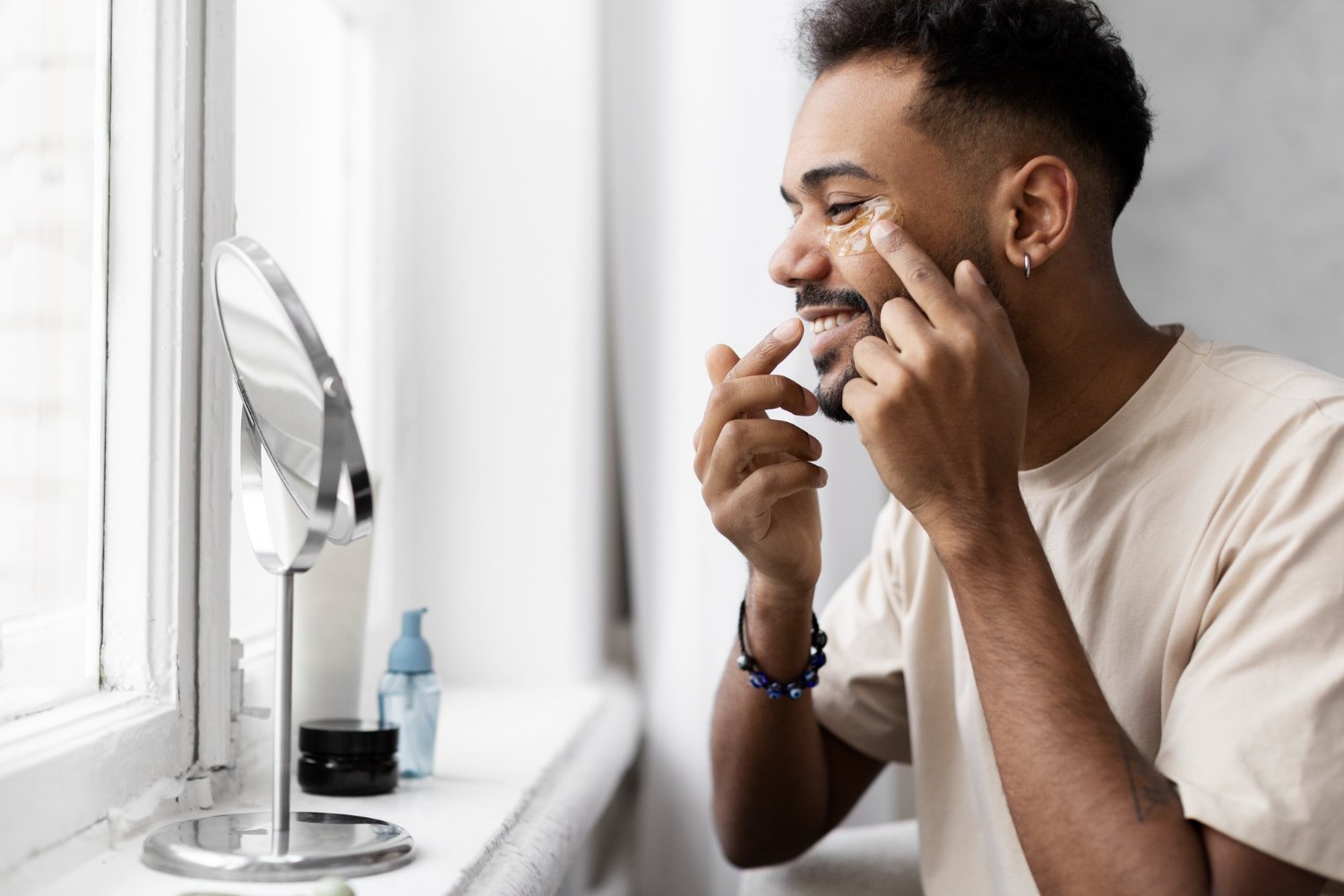
10 Grooming Habits That Make Your Outfit Look 10x Better
Here’s something that trips up a lot of guys who are genuinely trying to dress better: they invest in a new blazer, a good pair of jeans, maybe some clean white sneakers — and somehow the whole outfit still doesn’t land the way they expected.
They stand in front of the mirror, feeling like something’s off, but they can’t quite pinpoint what.
Nine times out of ten, it’s not the clothes. It’s everything happening above the collar and around the edges — the grooming details that either support an outfit or quietly undercut it.
Clothes get all the attention because they’re the most obvious variable, but grooming is the multiplier.
The exact same outfit looks completely different on a guy with an overgrown, patchy beard and dry, cracked hands versus a guy with a clean shave line and well-kept nails.
This isn’t about becoming high-maintenance or spending hours in the bathroom. It’s about a small set of consistent habits that take minutes, cost very little, and make every single outfit you own look more intentional. Below are the 10 grooming habits that do the most work — in the order they’ll actually move the needle on how put-together you look.
Quick Answer: The habits with the biggest visual impact are keeping consistent facial hair edges, regular haircuts on a schedule, clean and trimmed nails, healthy skin through basic skincare, fresh breath and oral hygiene, well-groomed eyebrows, minimal but effective fragrance use, proper nose and ear hair maintenance, clean and moisturized hands, and ironed or wrinkle-free clothing. Together, these habits create the polish that makes any outfit — expensive or budget — look deliberate.
Why Grooming Outweighs Clothing More Than You’d Think
People process a person’s overall appearance holistically, not item by item. A slightly wrinkled shirt with sharp grooming reads as “put together, in a rush.” A crisp, expensive shirt with unkempt grooming reads as “trying but missing something.” Grooming fills in the gaps clothing alone can’t cover — texture, cleanliness, and attention to detail that register almost subconsciously.
The other reason grooming deserves priority: it’s cheap. Most of the habits below cost less per month than a single t-shirt, yet they affect how every single outfit in your closet is perceived. This is the highest return-on-investment category in a man’s entire appearance.
1. Keep Consistent Facial Hair Edges
What It Is
Whether you’re clean-shaven, rocking stubble, or growing a full beard, maintaining crisp, consistent edges — cheek line, neckline, and mustache area — rather than letting them grow unchecked.
Why It Matters
Undefined facial hair edges are one of the fastest ways to make an outfit look unintentional. A sharp cheek line and clean neckline instantly read as maintained, even with several days of stubble.
Why Beginners Overlook It
Many men assume “growing it out” means ignoring maintenance entirely, not realizing that even a fuller beard needs a defined edge to look deliberate rather than neglected.
Common Mistakes
- Letting the neckline creep too high, making the beard look disconnected from the jawline
- Ignoring the cheek line, leaving a fuzzy, undefined boundary
- Shaving the neckline too aggressively, creating a harsh, unnatural line
How to Do It Correctly
Trim your neckline about a finger’s width above your Adam’s apple, following your jaw’s natural curve. Define your cheek line by following where your beard naturally grows thinnest, rather than shaving a straight, artificial edge.
Grooming Tip: Trim edges every 3–5 days, even if you’re not touching the length of the beard itself — edge maintenance is what keeps facial hair looking intentional between full trims.
Budget Tip
A basic beard trimmer with an edging attachment costs less than a single haircut and pays for itself within a month or two of regular use.
Situations Where It Matters Most
Job interviews, dates, professional settings — anywhere your face is the main focus of attention.
Situations Where It May Not Work
There’s no real downside to clean edges — even a deliberately “rugged” or grown-out look benefits from a defined boundary.
Key Takeaway: Facial hair doesn’t need to be short to look good — it needs to be defined.
Read also: 11 Accessories That Make a Basic Outfit Look Intentional
2. Get Haircuts on a Consistent Schedule
What It Is
Booking your next haircut before your current one starts looking overgrown, rather than waiting until it visibly needs attention.
Why It Matters
Hair grows out unevenly, especially around the ears and neckline, well before most men notice it in the mirror day-to-day. A fresh cut sharpens your entire silhouette — including how your collar and shoulders look in clothing.
Why Beginners Overlook It
Many guys only book a haircut once it’s obviously overgrown, missing the two to three weeks where it’s subtly déjà-vu messy without being an obvious problem yet.
Common Mistakes
- Waiting until hair is visibly unruly before booking a cut
- Getting the same generic cut without ever discussing what actually suits your hair type and face shape
- Skipping neckline and sideburn cleanups between full haircuts
How to Do It Correctly
Book your next appointment on a recurring schedule — typically every 3–4 weeks for shorter styles, 5–6 weeks for longer ones. Ask your barber specifically about neckline and sideburn cleanups between full cuts if your hair grows quickly.
Confidence Tip: A fresh haircut is one of the fastest ways to look more put-together without buying a single new item of clothing — it changes your entire silhouette.
Budget Tip
Many barbershops offer discounted “cleanup” appointments (neckline and edges only) between full cuts — a low-cost way to stay sharp without a full appointment every few weeks.
Situations Where It Matters Most
Job interviews, first dates, professional environments, photos and events.
Situations Where It May Not Work
There’s no real context where a well-maintained haircut works against you.
Key Takeaway: A recurring haircut schedule does more for your overall appearance than most single clothing purchases.
3. Keep Nails Clean and Trimmed
What It Is
Regularly trimming, filing, and cleaning under your nails — a habit most men skip entirely until someone notices.
Why It Matters
Hands are visible constantly — shaking hands, gesturing while talking, holding a menu at dinner. Dirty or overly long nails are one of the fastest ways to undercut an otherwise polished appearance, and one of the easiest fixes on this entire list.
Why Beginners Overlook It
Nail care gets mentally filed as a “women’s grooming” topic, so many men skip it entirely, not realizing how much attention hands get in social and professional interactions.
Common Mistakes
- Only trimming nails when they’re visibly too long, rather than on a regular schedule
- Ignoring visible dirt buildup under nails
- Using nail clippers that leave jagged, uneven edges instead of filing smooth afterward
How to Do It Correctly
Trim nails weekly, keeping them short and rounded rather than square or pointed. Use a nail brush in the shower to clean underneath them, and keep a small file in your bag or car for on-the-go touch-ups.
Maintenance Tip: Trim nails after a shower, when they’re softer and less likely to crack or split unevenly.
Budget Tip
A basic clipper and file set costs under the price of a single lunch out and lasts for years with proper care.
Situations Where It Matters Most
Job interviews, first dates, any close-proximity professional or social interaction.
Situations Where It May Not Work
There’s no context where clean, trimmed nails work against you.
Key Takeaway: Hands get more attention than most men realize — keep them as maintained as the rest of your appearance.
4. Build a Basic Skincare Routine
What It Is
A simple, consistent routine — cleanser, moisturizer, and sunscreen — rather than no routine at all or an overly complicated one you won’t stick to.
Why It Matters
Skin texture and clarity affect how “fresh” and put-together you look, regardless of what you’re wearing. Dry, flaky, or irritated skin draws attention in a way that undercuts even a great outfit.
Why Beginners Overlook It
Skincare still carries an unfair stigma as something outside typical “men’s grooming,” so many guys skip it entirely until skin issues become uncomfortable or visibly noticeable.
Common Mistakes
- Using bar soap on the face strips natural moisture and can cause dryness or irritation
- Skipping moisturizer, especially after shaving, which leaves skin dry and prone to visible redness
- Never using sunscreen, leading to long-term sun damage that becomes visually obvious over time
How to Do It Correctly
Wash your face morning and night with a gentle, non-stripping cleanser. Apply a basic moisturizer daily, especially after shaving. Use a daily SPF, even on cloudy days, to prevent long-term sun damage.
Fit Tip: Well-moisturized, healthy-looking skin makes your face — and by extension your whole outfit — look more polished in photos and in person alike.
Budget Tip
A basic three-step routine (cleanser, moisturizer, SPF) can be built for a modest monthly cost using drugstore products — you don’t need premium skincare brands to see a real difference.
Situations Where It Matters Most
Every day — this is a foundational habit rather than an occasion-specific one.
Situations Where It May Not Work
There’s no downside; skincare benefits every context.
Key Takeaway: Clear, healthy skin is the most consistent backdrop for every outfit you’ll ever wear.
5. Prioritize Fresh Breath and Oral Hygiene
What It Is
Consistent brushing, flossing, and breath maintenance — the most overlooked grooming category because it isn’t visually obvious in a mirror.
Why It Matters
Confidence changes how you carry an outfit. Nothing undermines confidence faster in close conversation — job interviews, dates, dinners — than worrying about your breath, and nothing is more immediately noticeable to others in those same situations.
Why Beginners Overlook It
Because it’s invisible in a mirror check, oral hygiene often gets deprioritized compared to more visible grooming habits, even though its social impact is arguably larger.
Common Mistakes
- Only brushing once a day, or skipping flossing entirely
- Relying on gum or mints instead of addressing the root cause (plaque buildup, dehydration)
- Ignoring tongue cleaning, a major contributor to breath issues that toothbrushing alone doesn’t fully address
How to Do It Correctly
Brush twice daily, floss once daily, and clean your tongue with a scraper or your toothbrush. Stay hydrated throughout the day, since dry mouth is one of the most common causes of bad breath.
Confidence Tip: Carry sugar-free gum or mints for situational freshness, but treat it as a supplement to real oral hygiene, not a replacement for it.
Budget Tip
A basic oral care routine (toothbrush, floss, toothpaste) costs a fraction of nearly any other grooming category and delivers some of the highest confidence returns.
Situations Where It Matters Most
First dates, job interviews, close-proximity conversations and meetings.
Situations Where It May Not Work
There’s no context where good oral hygiene works against you.
Key Takeaway: This is the grooming habit nobody sees you doing but everyone notices the results of.
6. Groom Your Eyebrows
What It Is
Light trimming and shaping of stray or overgrown eyebrow hairs — not a dramatic reshape, just basic maintenance.
Why It Matters
Eyebrows frame your entire face. Unruly, overgrown brows can make you look older or more tired than you are, while overly manicured brows can look unnatural — the goal is subtle, natural maintenance.
Why Beginners Overlook It
Eyebrow grooming is one of the most stigmatized grooming habits for men, despite being one of the most visually impactful, since the face is the first thing people notice in any interaction.
Common Mistakes
- Over-plucking, resulting in an obviously “done” look rather than natural maintenance
- Ignoring stray hairs between the brows, which can visually merge them into one
- Never trimming length, allowing brows to look bushy or unkempt from a distance
How to Do It Correctly
Use small scissors to trim any noticeably long hairs, and tweeze only the stray hairs between your brows or clearly outside your natural brow line. Avoid reshaping the entire brow unless you’re working with a professional.
Grooming Tip: Do this maintenance every 2–3 weeks — brows grow slowly enough that infrequent, light upkeep is all that’s needed.
Budget Tip
A basic pair of grooming scissors and tweezers costs very little and lasts for years.
Situations Where It Matters Most
Photos, video calls, and close-up professional interactions — situations where your face is the primary focus.
Situations Where It May Not Work
There’s no real downside to subtle, natural brow maintenance.
Key Takeaway: Subtle eyebrow upkeep is one of the least talked-about, most effective grooming habits available.
7. Use Fragrance Sparingly and Strategically
What It Is
Applying a small, well-chosen amount of cologne or fragrance — enough to be noticed up close, not enough to fill a room.
Why It Matters
Scent is a major (if subconscious) part of how people perceive you, but overapplication is one of the most common grooming mistakes men make, often undoing the positive impression a good outfit creates.
Why Beginners Overlook It
Many beginners either skip fragrance entirely, missing a genuinely impactful detail, or overcompensate by applying far too much, assuming more is always better.
Common Mistakes
- Spraying multiple times across the whole body instead of targeting pulse points (neck, wrists)
- Choosing an overpowering, dated scent instead of something more modern and versatile
- Reapplying throughout the day, leading to an overwhelming buildup
How to Do It Correctly
Apply 1–2 sprays to pulse points immediately after showering, when skin is still slightly damp — this helps the fragrance last without requiring excess product. If people more than an arm’s length away can smell you clearly, it’s too much.
Shopping Tip: Test any new fragrance for a full day before committing, since scent changes as it interacts with your individual skin chemistry over several hours.
Budget Tip
A quality fragrance, used sparingly, can last well over a year — cost per wear is often lower than people expect for a genuinely high-impact grooming habit.
Situations Where It Matters Most
Dates, dinners, close-proximity professional settings, evening events.
Situations Where It May Not Work
Avoid heavier applications in enclosed spaces (small meeting rooms, cars, elevators) where scent has nowhere to disperse.
Key Takeaway: Less is genuinely more — the goal is a subtle impression, not a room-filling statement.
8. Maintain Nose and Ear Hair
What It Is
Regular trimming of visible nose and ear hair — a small detail that’s easy to ignore until someone else notices it.
Why It Matters
Visible nose or ear hair is one of the fastest ways to undercut an otherwise polished appearance, especially since it becomes more noticeable with age and is entirely preventable with a two-minute routine.
Why Beginners Overlook It
This habit often gets skipped simply because it’s easy to forget — it’s not visible to yourself in a typical mirror glance the way facial hair or hair length is.
Common Mistakes
- Only checking occasionally instead of building it into a regular grooming routine
- Using regular scissors instead of a proper trimmer, risking injury or an uneven trim
- Assuming it’s only relevant for older men, when it can become noticeable at any age
How to Do It Correctly
Use a dedicated nose and ear hair trimmer (rounded tip, safe for sensitive areas) every 1–2 weeks. Check under bright, direct light rather than typical bathroom lighting, which can miss finer hairs.
Maintenance Tip: Keep the trimmer in your regular grooming kit next to your razor or beard trimmer, so the habit becomes automatic rather than something you have to remember separately.
Budget Tip
A basic nose and ear trimmer is a one-time purchase that lasts for years with battery replacement or recharging.
Situations Where It Matters Most
Close-proximity conversations, job interviews, dates — anywhere face-to-face attention is sustained.
Situations Where It May Not Work
There’s no context where this maintenance works against you.
Key Takeaway: This is a two-minute habit that prevents one of the most noticeable, avoidable grooming oversights.
9. Keep Hands Clean and Moisturized
What It Is
Regular hand washing paired with consistent moisturizing is particularly important in colder or drier climates where skin cracks and roughens more easily.
Why It Matters
Hands are in near-constant view during conversations, meals, and handshakes. Dry, cracked, or rough hands are noticeable in a way that undercuts an otherwise well-put-together appearance.
Why Beginners Overlook It
Hand care is often seen as unnecessary maintenance, especially by men who don’t associate it with overall appearance the way they do hair or clothing.
Common Mistakes
- Never moisturizing, leading to visibly dry, cracked skin, especially around knuckles
- Ignoring cuticles, which can look ragged even when nails themselves are well-trimmed
- Using harsh soaps that strip natural moisture without replacing it afterward
How to Do It Correctly
Keep a basic hand cream at your desk or in your bag, and apply after washing your hands or whenever skin starts to feel dry. Push back (don’t cut) cuticles gently after a shower, when skin is softest.
Maintenance Tip: Apply moisturizer before bed for the deepest overnight absorption, especially during colder months when skin dries out faster.
Budget Tip
A basic hand cream is inexpensive and lasts months with regular use — one of the lowest-cost, highest-visibility grooming habits on this list.
Situations Where It Matters Most
Job interviews, dates, and any interaction involving handshakes or close conversation.
Situations Where It May Not Work
There’s no real downside to well-maintained hands.
Key Takeaway: Hands are one of the most-viewed, least-maintained parts of most men’s grooming routines — a small fix with an outsized impact.
10. Keep Your Clothing Wrinkle-Free
What It Is
Ironing, steaming, or otherwise maintaining crisp, wrinkle-free clothing rather than pulling items straight from a dryer or a crumpled drawer.
Why It Matters
This is the crossover point between grooming and clothing — a wrinkled shirt undercuts even the best fit and fabric quality, making an outfit look unintentional regardless of how much it cost.
Why Beginners Overlook It
Ironing and steaming feel like an extra, skippable step, especially for casual pieces — but wrinkles are one of the most immediately visible signs of a rushed, unmaintained appearance.
Common Mistakes
- Folding dress shirts instead of hanging them, which creates deep creases that are harder to remove later
- Skipping steaming or ironing entirely for “casual” pieces, even when visible wrinkling, undercuts the outfit
- Ironing over stains or dirt, which can set them permanently into the fabric
How to Do It Correctly
Hang dress shirts and blazers immediately after wearing, rather than leaving them crumpled. Use a steamer for quick touch-ups on both formal and casual pieces — it’s faster and gentler on fabric than a full iron for most items.
Maintenance Tip: A handheld steamer takes less time than ironing and works on nearly every fabric type, making it a more practical daily tool for most men.
Budget Tip
A basic handheld steamer is a one-time purchase that pays for itself quickly compared to dry cleaning or replacing wrinkled garments early.
Situations Where It Matters Most
Job interviews, dinners, dates, professional settings — anywhere a crisp appearance signals effort.
Situations Where It May Not Work
Some casual, intentionally textured fabrics (like certain linens) are meant to have a relaxed, slightly wrinkled look — know which pieces benefit from this and which don’t.
Key Takeaway: No outfit, regardless of cost, looks fully put-together if it’s visibly wrinkled.
Comparison Table: Groomed vs. Ungroomed Impact
| Detail | Ungroomed | Groomed |
|---|---|---|
| Facial hair | Undefined, patchy edges | Sharp cheek and neck lines |
| Hair | Overgrown, uneven | Fresh cut on a regular schedule |
| Nails | Long, dirty, jagged | Short, clean, smooth |
| Skin | Dry, flaky, irritated | Clear, moisturized, even |
| Breath | Noticeable, distracting | Fresh, non-issue |
| Clothing | Wrinkled, crumpled | Crisp, intentional |
Budget Tip vs. Skip: Where to Spend on Grooming
| Category | Worth the Spend | Fine to Keep Basic |
|---|---|---|
| Haircuts | Yes — consistency matters more than price point | N/A |
| Skincare | Moderate — a good moisturizer and SPF matter most | Fancy serums and multi-step routines |
| Fragrance | Yes — one quality scent used sparingly | Owning multiple fragrances |
| Trimmers (beard, nose, ear) | Yes — one good multi-use trimmer | Separate premium trimmers for each area |
| Steamer/iron | Yes — pays for itself quickly | Professional pressing for everyday wear |
Common Mistakes That Undercut Good Grooming
Mistake 1: Treating Grooming as a One-Time Event
Getting a great haircut once and not returning for weeks undoes the benefit almost immediately as hair grows out unevenly.
Fix: Build recurring habits and schedules rather than one-off efforts.
Mistake 2: Overdoing One Category While Ignoring Others
Some men invest heavily in one area (an elaborate skincare routine, for example) while completely ignoring basics like nail care or wrinkle-free clothing.
Fix: Spread effort evenly across the habits with the highest visibility — hands, face, and clothing.
Mistake 3: Assuming Grooming Only Matters for Special Occasions
Inconsistent grooming (sharp for interviews, neglected day-to-day) creates a noticeable gap between your best and worst appearance.
Fix: Build these into daily and weekly routines, not occasion-specific prep.
Mistake 4: Overapplying Fragrance to Compensate for Inconsistent Hygiene
Heavy cologne use is sometimes used to mask, rather than complement, inconsistent hygiene habits.
Fix: Prioritize the underlying hygiene habits first — fragrance should enhance, not cover for, cleanliness.
Mistake 5: Ignoring Grooming While Upgrading Clothing
Spending on new clothes while neglecting grooming basics creates a mismatched overall impression.
Fix: Treat grooming and clothing as equal parts of the same budget and routine, not separate priorities.
Budget Strategy for a Complete Grooming Routine
Where to save money: Basic tools (nail clippers, tweezers, a simple trimmer) — quality differences between budget and premium versions are minor for these categories.
Where to spend more: A quality trimmer for beard and hair maintenance, and a fragrance you’ll wear consistently — both get near-daily or frequent use, making the cost per use very low over time.
How to build gradually: Start with haircuts, nail care, and skincare in month one — these have the fastest visible impact. Add fragrance and a steamer in month two. Round out with consistent nose/ear maintenance and eyebrow upkeep once the core habits are automatic.
Maximizing value: Nearly every habit on this list costs less monthly than a single new clothing item, yet affects how every outfit you already own is perceived — grooming offers some of the best value in a man’s entire appearance budget.
Budget Tip: A one-time investment in a quality multi-use trimmer (beard, nose, ear attachments) often costs less than three separate single-purpose tools.
Real-Life Scenarios: Grooming in Context
Job interview: Fresh haircut, defined facial hair edges, trimmed nails, wrinkle-free shirt — this combination matters more to first impressions than the specific brand of your outfit.
First date: Light, well-applied fragrance, fresh breath, moisturized skin, and a clean shave or defined beard edge.
Weekend outing: Lower-maintenance day, but nail and hand care should remain consistent regardless of how casual the outfit is.
Business casual office: Recurring haircut schedule and wrinkle-free clothing matter daily, even when the rest of the routine is more relaxed.
Wedding guest: Full routine — haircut, facial hair edges, nails, fragrance, and freshly steamed or ironed attire.
Frequently Asked Questions
1. Which grooming habit has the biggest visual impact for the least effort? Wrinkle-free clothing and defined facial hair edges tend to have the fastest, most noticeable impact relative to the time they take.
2. How often should I really be getting haircuts? Every 3–4 weeks for most short-to-medium styles, with optional cleanup appointments in between if your hair grows quickly.
3. Is cologne actually necessary, or is it optional? It’s optional but genuinely impactful when used correctly — the key is subtlety. A well-chosen, sparingly applied fragrance adds polish without becoming a focal point.
4. Do I need a full skincare routine, or is basic care enough? A basic three-step routine (cleanser, moisturizer, SPF) covers most of the visible benefit — elaborate multi-step routines are optional, not necessary.
5. How do I know if I’m using too much fragrance? If someone more than an arm’s length away can smell it clearly, or if you can still smell it strongly on yourself hours later, it’s likely too much.
6. What’s the most commonly overlooked grooming habit? Nose and ear hair maintenance and hand care are the two most frequently skipped habits, largely because they’re not visible during a typical mirror check.
7. Should I trim my own beard, or go to a barber? Edge maintenance between full trims is easy to do at home with a basic trimmer. For significant reshaping or a first-time defined edge, a barber visit is worth it to establish the shape.
8. How does grooming affect job interview outcomes specifically? While clothing choice matters, grooming details like clean nails, fresh breath, and a recent haircut are often processed subconsciously as signals of attention to detail and preparedness.
9. What’s the minimum viable grooming routine for a busy schedule? Haircuts on a schedule, basic skincare, nail trimming, and wrinkle-free clothing cover the highest-impact categories with the least daily time investment.
10. Does grooming matter as much for casual outfits as formal ones? Yes — a clean, well-groomed appearance elevates even the most casual outfit, while poor grooming can undercut even a formal one.
11. How long does it take to build these habits into a routine? Most men see these become automatic within 4–6 weeks of consistent practice, especially once tools (trimmers, steamers, skincare) are already in place and easy to reach for.
12. Is professional grooming (facials, manicures) necessary, or can I do this all myself? Not necessary — nearly every habit on this list can be done effectively at home with basic tools. Professional treatments are a nice-to-have, not a requirement for looking well-groomed.
Final Thoughts: Grooming Is the Multiplier, Not an Afterthought
Clothes get the credit, but grooming does a huge amount of the quiet work behind every outfit that actually looks put-together. None of these 10 habits requires significant time, money, or effort — they require consistency. A defined beard line, a haircut on schedule, clean nails, fresh breath, and wrinkle-free clothing will do more for how sharp you look than another new shirt sitting unworn in your closet.
Start with the habits that take the least time and have the most visible impact — nails, wrinkle-free clothing, and a haircut schedule — and build the rest in gradually. Once these become automatic, every outfit you already own will look noticeably better, without spending another dollar on clothes.
Read also: