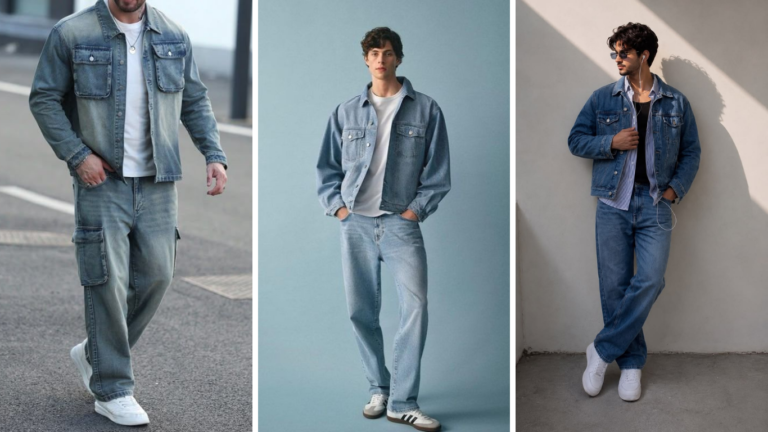
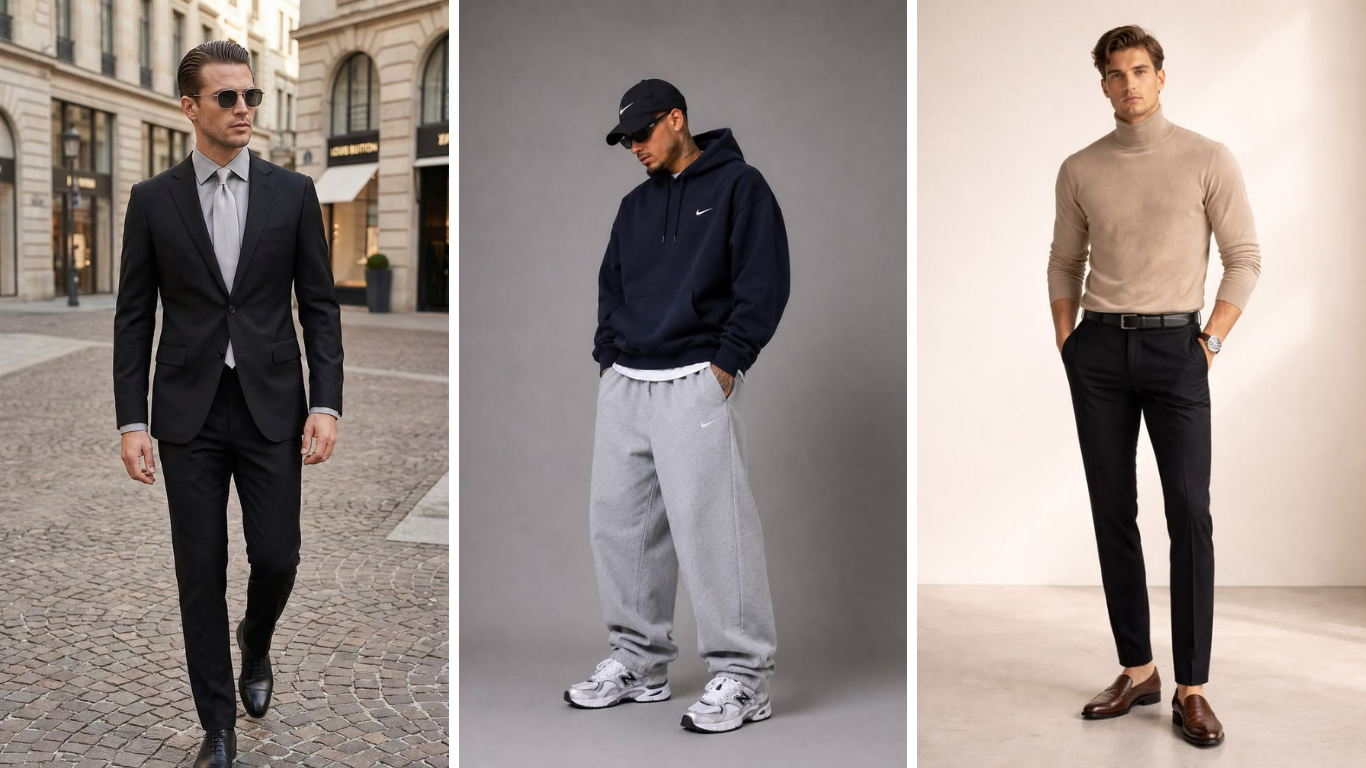
10 Outfit Formulas for Guys Who Don’t Know Where to Start
You open your closet, stare at it for a solid two minutes, and end up wearing the same three things you always wear — not because you like them best, but because putting together anything else feels like too much decision-making for a Tuesday morning. Sound familiar?
This is one of the most common places men get stuck when they’re trying to improve their style. It’s not that you don’t own decent clothes. It’s that nobody ever handed you a system for combining them. Style advice tends to focus on individual pieces — buy this jacket, get these jeans — without ever explaining how those pieces are actually supposed to go together.
That’s what a formula solves. Think of each one below as a template: a reliable combination of pieces, proportions, and colors that works almost every time, regardless of exactly which shirt or shoes you own. Once you understand why a formula works, you can plug in whatever’s in your closet and get a solid result without having to reinvent your outfit from scratch every single day.
Quick Reference: The 10 Formulas
| # | Formula | Best For |
|---|---|---|
| 1 | T-shirt + Overshirt + Jeans + Sneakers | Everyday casual, weekends |
| 2 | Button-Up + Chinos + Loafers or Derby | Business casual, dates |
| 3 | Crewneck Sweater + Trousers + Boots | Cool-weather smart casual |
| 4 | Polo + Shorts + Clean Sneakers | Warm-weather casual |
| 5 | Henley + Jeans + Minimal Sneaker | Relaxed everyday layering |
| 6 | Blazer + T-shirt + Chinos + Sneakers | Smart casual “elevated” look |
| 7 | Suit + Dress Shirt + Oxford Shoes | Formal, interviews, weddings |
| 8 | Denim Jacket + Tee + Chinos + Sneakers | Casual layering, transitional weather |
| 9 | Turtleneck + Trousers + Loafers | Refined cool-weather look |
| 10 | Hoodie + Joggers + Clean Sneakers | Athleisure, travel, errands |
1. T-Shirt + Overshirt + Jeans + Sneakers
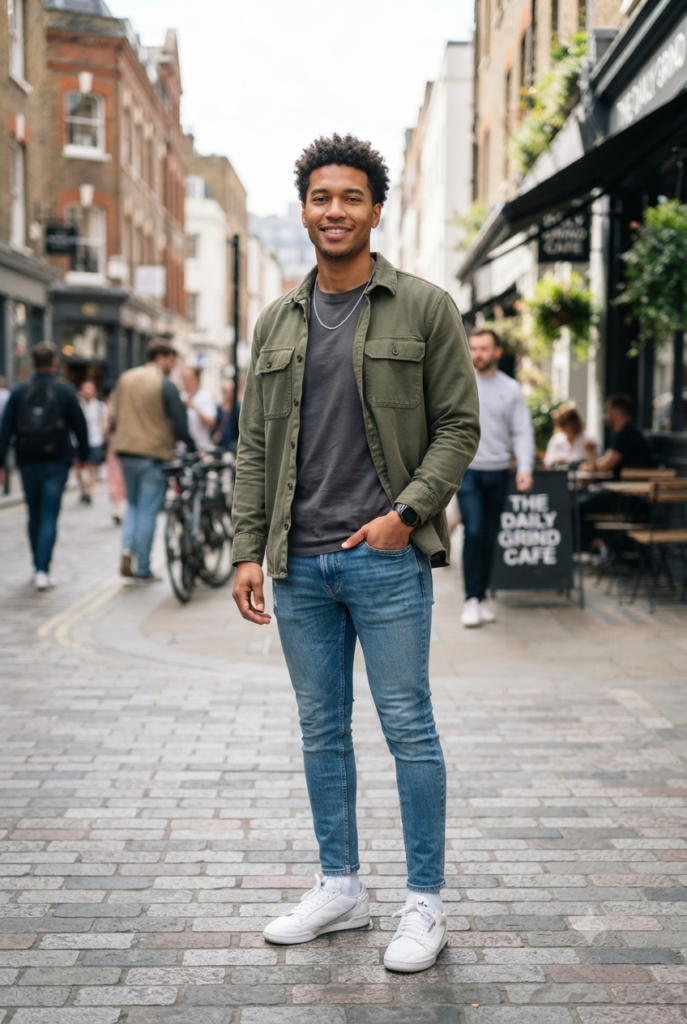
What it is: A plain, well-fitted t-shirt layered under an open overshirt (a sturdy, shirt-jacket hybrid, usually in flannel, denim, or twill), paired with straight or slim jeans and a minimal sneaker.
Why it works: This formula relies on layering to create visual interest without requiring any bold colors or patterns. The overshirt adds structure and a sense of intention to what would otherwise be a very plain outfit, while staying completely low-effort to put together.
Why beginners overlook it: Many men treat the overshirt category as unfamiliar territory — somewhere between a shirt and a jacket — and skip it in favor of either a plain t-shirt alone or a heavier jacket, missing the versatile middle ground entirely.
Common mistakes:
- Wearing the overshirt fully buttoned like a dress shirt, which removes the relaxed, layered effect that makes this formula work.
- Choosing an overshirt in the same color as the t-shirt, flattening the outfit instead of creating contrast.
How to wear it correctly: Leave the overshirt open or button just one or two buttons near the bottom. Choose a color that contrasts gently with the t-shirt underneath — a navy or olive overshirt over a white or light gray tee, for example.
Budget-friendly alternative: A basic flannel or twill overshirt from any mainstream retailer works just as well as a premium version — the silhouette and open layering matter far more than the brand.
Example outfit: A plain white t-shirt, an olive twill overshirt worn open, dark straight-leg jeans, and white minimal sneakers.
Key takeaway: Layering a simple overshirt over a basic tee turns a plain outfit into one that looks deliberately put together, with almost no extra effort.
Read also: 5 Shoe Styles That Instantly Upgrade Any Beginner’s Wardrobe
2. Button-Up + Chinos + Loafers or Derby
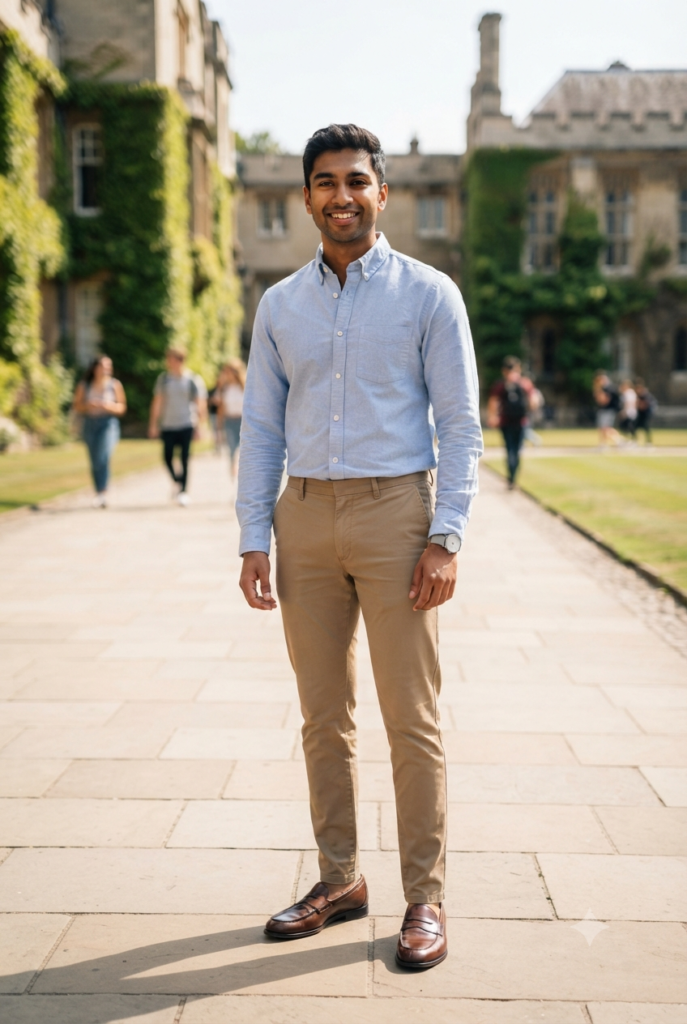
What it is: A classic business casual formula — a fitted button-up shirt (short or long sleeve depending on season), tailored chinos, and either loafers or a leather derby shoe.
Why it works: This combination sits at the exact formality level most business casual offices, dates, and semi-formal outings call for. It’s polished without tipping into overly formal territory.
Why beginners overlook it: New to business casual dressing, many men either overdress (full suit) or underdress (jeans and a graphic tee) because they’ve never been shown what sits comfortably in between.
Common mistakes:
- Wearing the shirt untucked with chinos, which reads as sloppy for this particular formula (unlike casual formulas, where untucked works fine).
- Choosing chinos that are baggy through the leg, undercutting the otherwise polished top half.
How to wear it correctly: Tuck the shirt in, at least partially (a “French tuck” — tucked in the front only — works for a more relaxed take). Roll sleeves to just below the elbow for a slightly more casual, warm-weather variation.
Fit Tip: Chinos should taper slightly toward the ankle without being skin-tight — this keeps the silhouette clean without looking restrictive.
Example outfit: A light blue button-up tucked into navy chinos, brown leather loafers, and a matching brown leather belt — ideal for a business casual office day or a dinner date.
Key takeaway: This formula is the most reliable “safe but sharp” option for any setting that isn’t fully casual or fully formal.
3. Crewneck Sweater + Trousers + Boots
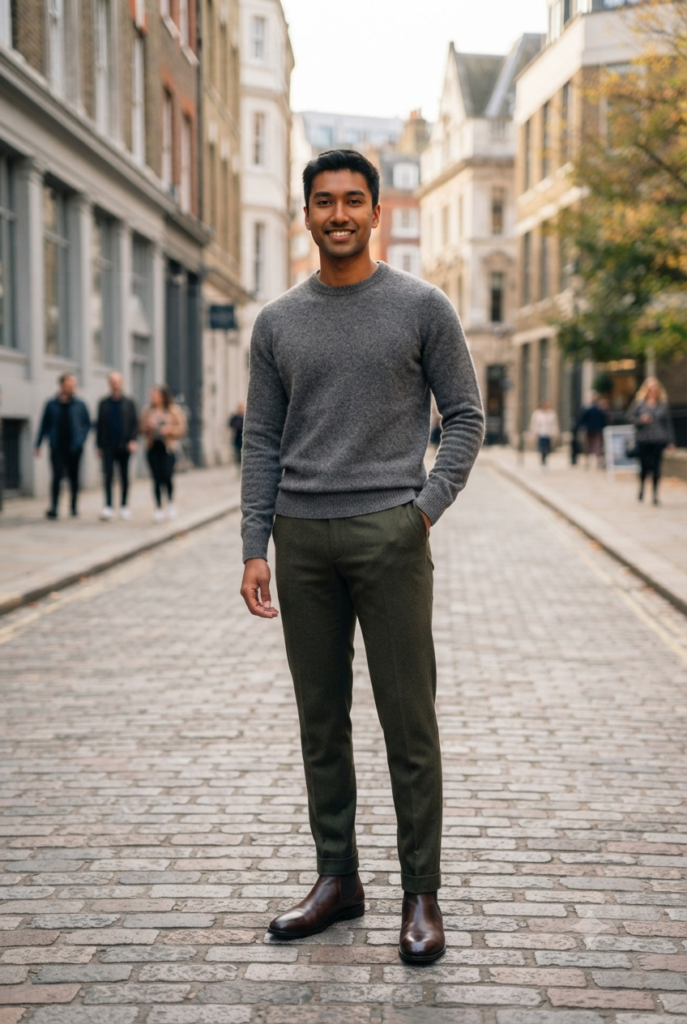
What it is: A fitted or slightly relaxed crewneck sweater, tailored or straight-leg trousers, and Chelsea boots or another leather boot style.
Why it works: This formula leans into texture and proportion instead of color or pattern. The sweater adds warmth and visual weight up top, the trousers keep the lower half streamlined, and the boots ground the whole look with a polished, cool-weather edge.
Why beginners overlook it: Sweaters are often treated as purely functional (for warmth) rather than as a styling opportunity, so they get paired carelessly with whatever’s already on, rather than intentionally with trousers and boots.
Common mistakes:
- Pairing a bulky sweater with equally loose trousers, creating a shapeless silhouette (see: proportion balance).
- Wearing sneakers with this formula instead of boots, which undercuts the more elevated, cool-weather feel the sweater and trousers are going for.
How to wear it correctly: If the sweater is on the looser or chunkier side, keep trousers slim to straight for balance. Let the trouser hem break cleanly at the top of the boot.
Seasonal Tip: This formula is ideal for fall and early winter — warm enough without needing a heavy coat for milder days, and easy to layer a jacket over when it gets colder.
Example outfit: A charcoal crewneck sweater, straight-leg gray trousers, and black leather Chelsea boots — appropriate for a dinner date, a cooler-weather office day, or a casual family gathering.
Key takeaway: Swapping sneakers for boots and a t-shirt for a sweater instantly elevates an outfit’s formality without adding complexity.
4. Polo + Shorts + Clean Sneakers
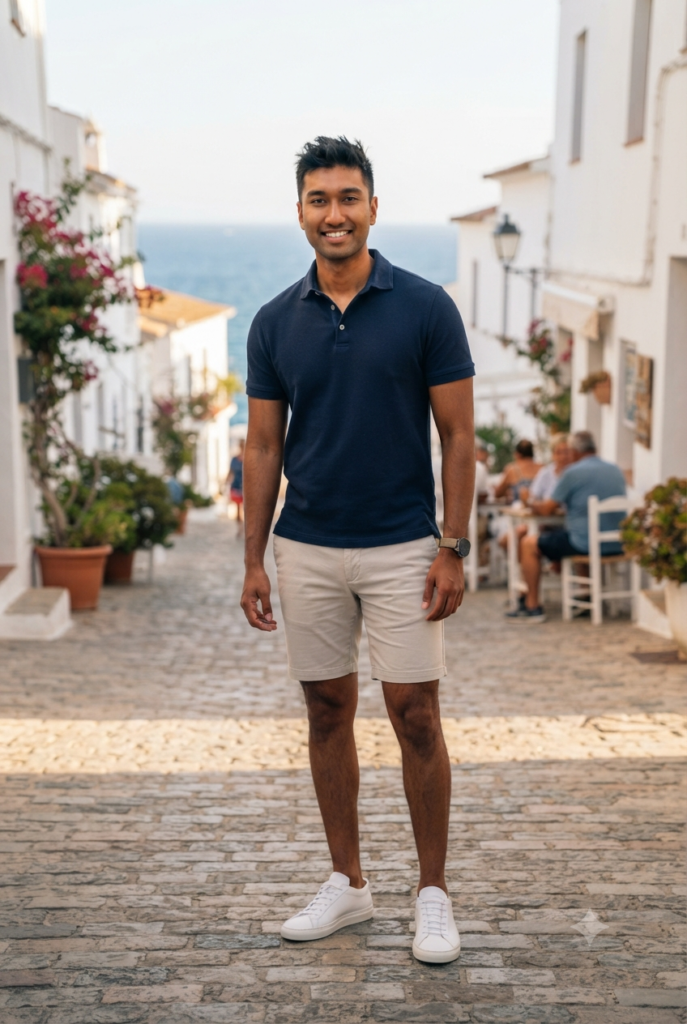
What it is: A fitted polo shirt, tailored (not baggy) shorts hitting around the knee, and a clean, minimal sneaker.
Why it works: This is the warm-weather equivalent of smart casual — polished enough for a casual lunch or summer gathering, relaxed enough for genuinely hot weather where trousers or jeans aren’t practical.
Why beginners overlook it: Shorts are often treated as purely athletic or beachwear, so the idea of a “smart casual shorts outfit” doesn’t register as a real category, leading to either overly baggy basketball-style shorts or overly casual pairings.
Common mistakes:
- Wearing shorts that are either too long (below the knee, reading as cargo-style) or too short (well above mid-thigh, disrupting proportion).
- Pairing a polo with athletic sandals or flip-flops in settings that call for slightly more polish.
How to wear it correctly: Shorts should sit at or just above the knee for the most flattering, versatile length across body types. Keep the polo fitted through the chest and shoulders, not boxy.
Body Type Note: Taller men can generally go slightly longer with shorts length without it looking off; shorter men usually look best keeping shorts closer to the top of the knee to avoid visually shortening the leg further.
Example outfit: A navy polo, tailored khaki shorts just above the knee, and white minimal sneakers — ideal for a casual summer lunch, a weekend gathering, or warm-weather travel.
Key takeaway: Treating shorts with the same fit standards as trousers is what separates a smart casual summer look from a purely athletic one.
5. Henley + Jeans + Minimal Sneaker

What it is: A henley (a collarless pullover shirt with a small button placket at the neck) paired with straight or slim jeans and a minimal leather sneaker.
Why it works: The henley offers a bit more texture and visual interest than a plain t-shirt without requiring any extra styling effort, making it an easy way to add subtle detail to a simple, everyday outfit.
Why beginners overlook it: Henleys occupy a middle ground between t-shirts and button-ups that many men don’t think to reach for, defaulting instead to a plain tee out of habit.
Common mistakes:
- Buttoning the henley placket all the way up, which can look stiff — leaving the top button or two undone keeps it relaxed.
- Sizing the henley too loose, which hides the subtle detailing that makes this piece worth wearing in the first place.
How to wear it correctly: Keep the fit close to the body without being tight — henleys are meant to skim the torso. Roll sleeves to the forearm for a slightly more casual, warm-weather take.
Shopping Tip: A henley in a heavier waffle-knit or thermal fabric adds texture and works especially well as a lightweight layering piece under an open jacket or overshirt in cooler months.
Example outfit: A gray waffle-knit henley, dark straight-leg jeans, and tan minimal sneakers — a simple, texture-forward outfit for a weekend outing or casual coffee date.
Key takeaway: Small upgrades like swapping a plain tee for a henley add texture and interest without changing the overall formula or effort level.
6. Blazer + T-Shirt + Chinos + Sneakers

What it is: An unstructured or lightly structured blazer worn over a plain t-shirt, paired with chinos and a minimal sneaker — a deliberate mix of formal and casual elements.
Why it works: This formula plays with contrast: a traditionally formal piece (the blazer) paired with traditionally casual ones (t-shirt, sneakers) creates a modern, “smart casual elevated” look that reads as intentional rather than mismatched, as long as the proportions and colors are coordinated.
Why beginners overlook it: Blazers feel inherently formal to many beginners, so the idea of pairing one with a t-shirt and sneakers can feel like a mistake rather than a legitimate, widely-used styling formula.
Common mistakes:
- Wearing an overly structured, heavily padded blazer (built for suits) instead of a soft, unstructured one designed for casual pairing — the wrong blazer type makes this formula feel like a mismatched suit rather than an intentional outfit.
- Pairing the blazer with an overly graphic or busy t-shirt, which clashes with the blazer’s clean lines.
How to wear it correctly: Choose a soft-shouldered, unstructured blazer in a casual fabric like cotton or linen blend rather than a formal wool suiting fabric. Keep the t-shirt plain and solid-colored.
Confidence Tip: This formula is a reliable way to look more put-together than the room without appearing overdressed — it reads as effortless rather than trying too hard, as long as the blazer isn’t paired with anything overly formal underneath.
Example outfit: An unstructured navy blazer, a plain white t-shirt, tan chinos, and white minimal sneakers — works well for a slightly elevated dinner, a smart casual work event, or a first date where you want to look put-together without a full suit.
Key takeaway: A soft blazer over simple basics is one of the fastest ways to look noticeably more finished than a t-shirt-and-jeans outfit alone, without much extra effort.
7. Suit + Dress Shirt + Oxford Shoes
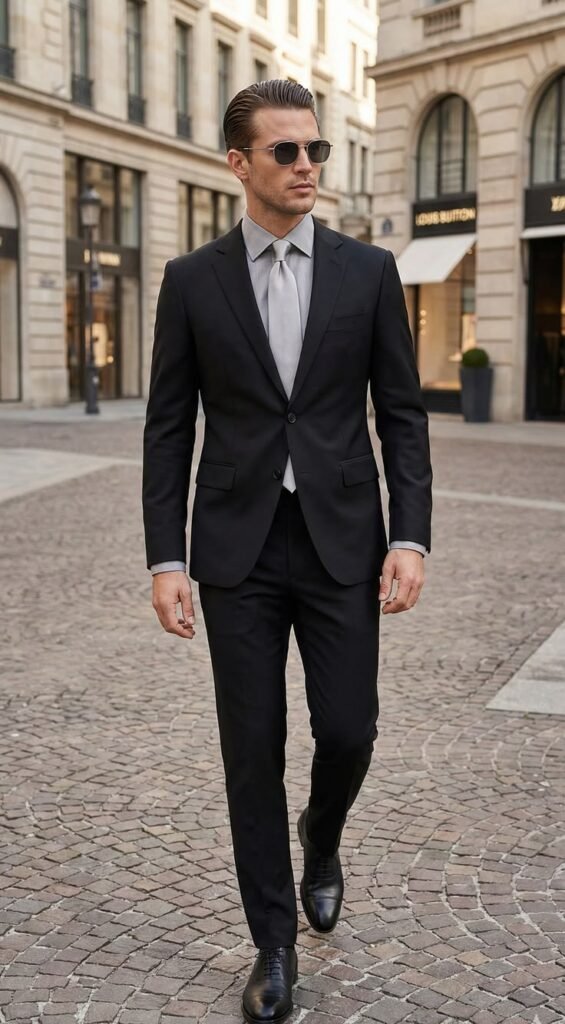
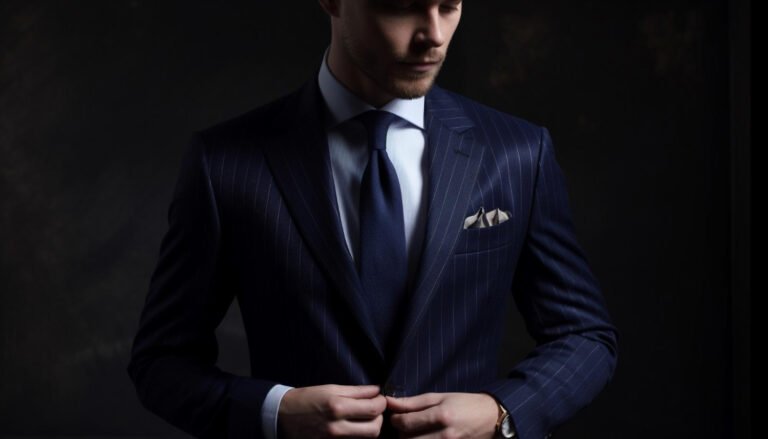
What it is: The most formal formula on this list — a well-fitted suit, a dress shirt (with or without a tie depending on the occasion), and leather oxford shoes.
Why it works: For genuinely formal occasions, there’s no substitute for a properly fitted suit. This formula covers interviews, weddings, funerals, and any setting where the dress code explicitly calls for formal wear.
Why beginners overlook fit here specifically: Suits are often bought off-the-rack and worn exactly as purchased, without the tailoring adjustments (shoulder, waist, trouser length) that make the difference between “wearing a suit” and “wearing a suit that fits.”
Common mistakes:
- Buying a suit a size too big for comfort margin, resulting in excess fabric at the shoulders and waist that reads as sloppy rather than sharp.
- Wearing white athletic socks with a suit, which breaks the clean line the outfit is otherwise creating.
- Skipping a belt or wearing a mismatched belt-shoe color combination with the suit.
How to wear it correctly: Get the jacket and trousers tailored to your actual body — this single step matters more than the price of the suit itself. Match your belt and shoes in the same leather tone (black or dark brown).
Budget vs. Premium (Suit Buying)
| Budget Approach | Premium Approach | |
|---|---|---|
| Suit cost | Lower upfront | Higher upfront |
| Tailoring | Essential — budget for it separately | Often closer to correct out of the box, still worth checking |
| Fabric | Polyester blends, less breathable | Wool or wool blends, better drape and durability |
| Best for beginners | A well-tailored budget suit, worn occasionally | Worth it if worn frequently (regular business settings) |
Budget-friendly alternative: A mid-range suit that’s properly tailored will outperform an expensive suit that isn’t tailored at all — prioritize the tailoring budget over the suit price tag when starting out.
Example outfit: A charcoal wool-blend suit, a white dress shirt, black leather oxfords, and a matching black leather belt — appropriate for interviews, formal weddings, and business meetings.
Key takeaway: For formal occasions, tailoring — not price — is what determines whether a suit looks sharp or simply “worn.”
8. Denim Jacket + Tee + Chinos + Sneakers

What it is: A denim jacket layered over a plain t-shirt, paired with chinos (not jeans, to avoid a full “double denim” look unless intentional) and a minimal sneaker.
Why it works: The denim jacket adds texture and a slightly rugged, casual edge to an otherwise simple outfit, while the chinos and clean sneakers keep the overall look grounded and intentional rather than purely streetwear-casual.
Why beginners overlook it: Denim jackets often get treated as a single, standalone “look” from a specific era or trend, rather than as a flexible layering piece that works across many different outfit combinations.
Common mistakes:
- Pairing the denim jacket with jeans in a very similar wash, creates an unintentional “double denim” look (unless deliberately styled with contrasting washes, this usually reads as a mistake for beginners).
- Choosing an oversized, boxy denim jacket that adds bulk rather than structure.
How to wear it correctly: If you do want to pair the jacket with jeans, choose a noticeably different wash (a dark jacket with light jeans, or vice versa) to keep it intentional rather than accidental. Keep the jacket fitted through the shoulders, same as any other outerwear.
Seasonal Tip: This formula works especially well in spring and early fall — the denim jacket provides just enough warmth for mild, transitional weather without needing a heavier coat.
Example outfit: A medium-wash denim jacket, a plain black t-shirt, tan chinos, and white sneakers — a relaxed, layered outfit for a weekend outing, casual travel day, or laid-back date.
Key takeaway: Denim jackets work best as a texture-adding layer over simple basics, not as a standalone statement piece paired carelessly with more denim.
9. Turtleneck + Trousers + Loafers
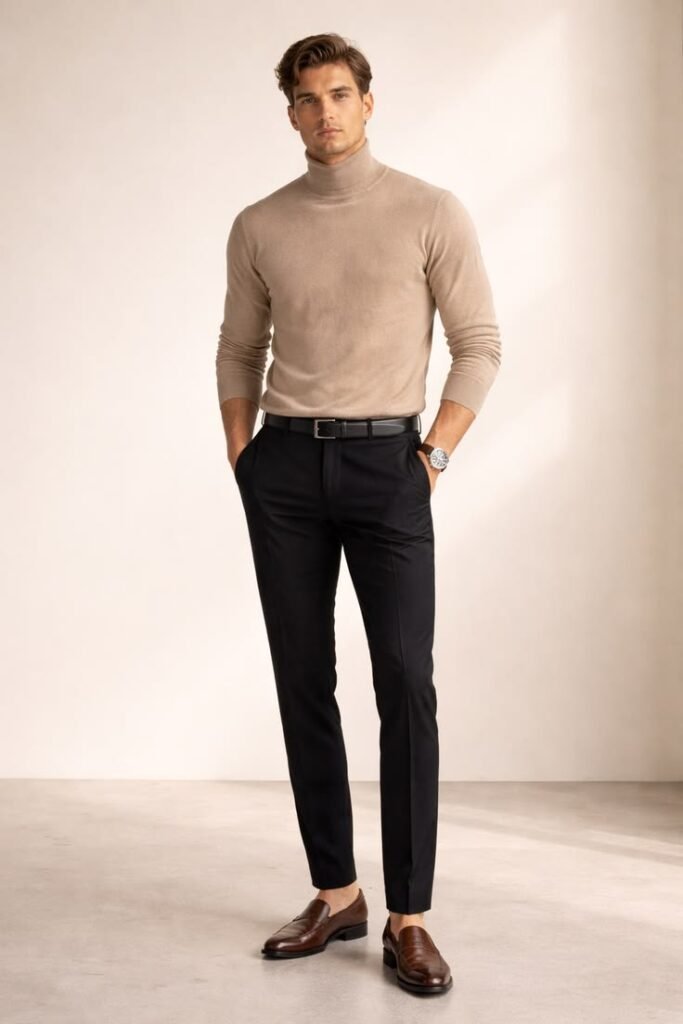
What it is: A fitted lightweight turtleneck, tailored or straight-leg trousers, and leather loafers — a refined, minimalist cool-weather formula.
Why it works: The turtleneck creates a clean, streamlined silhouette from neck to waist, which reads as deliberate and polished, especially when paired with tailored trousers instead of jeans. It’s one of the more elevated casual formulas without requiring a jacket or blazer.
Why beginners overlook it: Turtlenecks can feel intimidating or overly fashion-forward to men who haven’t worn one before, and there’s a common (often outdated) assumption that they only work on a narrow range of body types.
Common mistakes:
- Choosing a turtleneck in a thick, bulky knit that adds visual weight around the neck and shoulders — a lightweight, fine-knit turtleneck is far more versatile and flattering for most builds.
- Pairing the turtleneck with an equally close-fitting jacket, creating an overly tight, restrictive-looking silhouette rather than clean lines.
How to wear it correctly: Choose a lightweight, fine-gauge turtleneck rather than a chunky one for the most versatile, flattering result. Let the trousers sit cleanly at a slight break over the loafers.
Body Type Note: Turtlenecks work well across most body types when the knit is lightweight and the fit through the body is close but not tight — the key adjustment is avoiding bulk, not avoiding the style altogether.
Example outfit: A charcoal fine-knit turtleneck, black tailored trousers, and black leather loafers — a refined, minimalist outfit for a dinner date, a gallery visit, or a smart casual evening event.
Key takeaway: A lightweight turtleneck with tailored trousers creates one of the cleanest, most elevated silhouettes available without needing a jacket at all.
10. Hoodie + Joggers + Clean Sneakers
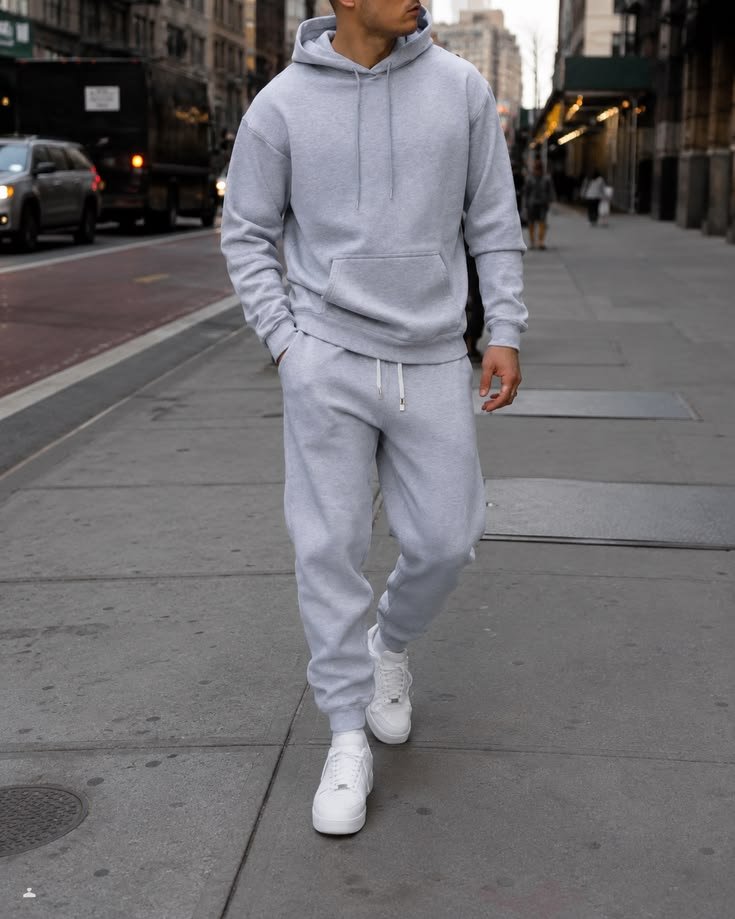
What it is: A well-fitted (not oversized to the point of shapelessness) hoodie, matching or coordinating joggers, and a clean casual sneaker — the most relaxed formula on this list, built for comfort-first situations.
Why it works: Not every day calls for a styled outfit, and this formula acknowledges that directly — the goal here is comfort and ease, done in a way that still looks intentional rather than sloppy, largely through fit and color coordination.
Why beginners overlook the details here: Because this category is inherently casual, it’s easy to assume fit and coordination don’t matter at all — but an oversized, mismatched hoodie-and-joggers combination still reads as careless, even within a comfort-first category.
Common mistakes:
- Wearing a hoodie several sizes too large, which reads as sloppy rather than intentionally relaxed.
- Mismatching the hoodie and joggers in unrelated colors, rather than keeping them in the same tonal family.
- Wearing worn-out, dirty sneakers with this formula simply because “it’s casual anyway.”
How to wear it correctly: Choose a hoodie that fits close to the body through the shoulders, even if it’s relaxed through the torso. Keep the joggers tapered at the ankle to maintain a clean silhouette rather than bunching over the sneaker.
Budget Tip: This is one of the most affordable formulas to build — a well-fitted, neutral-colored hoodie and joggers set from almost any retailer will do the job, since the fit and coordination matter far more than the brand.
Example outfit: A fitted heather-gray hoodie, matching gray joggers, and clean white sneakers — appropriate for travel days, errands, casual gym-to-street transitions, or simply relaxing at home without looking careless if you step outside.
Key takeaway: Even the most casual formula benefits from fit and color coordination — “comfortable” and “sloppy” are not the same thing.
How to Choose the Right Formula for the Occasion
| Occasion | Best Formula |
|---|---|
| Job interview | #7 — Suit + Dress Shirt + Oxfords |
| First date (casual dinner) | #2 — Button-Up + Chinos + Loafers |
| Weekend outing | #1 — T-Shirt + Overshirt + Jeans + Sneakers |
| Business casual office | #2 or #9 — Button-Up combo or Turtleneck combo |
| Casual Friday | #5 — Henley + Jeans + Sneaker |
| Wedding guest | #7 — Suit formula (adjusted for dress code) |
| Travel | #10 — Hoodie + Joggers, or #1 for a slightly more polished travel look |
| University | #1 or #8 — T-shirt/overshirt or denim jacket formulas |
| Dinner with friends | #6 — Blazer + T-Shirt + Chinos |
| Coffee date | #5 — Henley + Jeans + Sneaker |
Building a Small Wardrobe That Powers All 10 Formulas
You don’t need a separate wardrobe for each formula — most of these combinations reuse the same handful of core pieces in different arrangements. A genuinely functional starter wardrobe covers nearly all ten with:
- 3–4 plain t-shirts (white, black, gray, navy)
- 1 henley
- 2 button-up shirts (one light, one dark)
- 1 lightweight turtleneck
- 1 hoodie
- 1 crewneck sweater
- 1 overshirt
- 1 denim jacket
- 1 unstructured blazer
- 1 pair dark jeans
- 1 pair chinos (tan or navy)
- 1 pair tailored trousers
- 1 pair joggers
- 1 suit (charcoal or navy)
- Shoes: minimal sneaker, leather derby or oxford, Chelsea boots, loafers, casual sneaker
Budget Tip: Build this list gradually, prioritizing the pieces that show up in the most formulas — t-shirts, chinos, jeans, and a minimal sneaker — before investing in occasion-specific pieces like a suit or turtleneck.
Common Mistakes That Undo a Good Formula
Even with a solid formula, a few habits can quietly undercut the result:
- Ignoring fit within the formula. A great formula still fails if the individual pieces don’t actually fit (see: shoulder seams, trouser break, proper proportion balance).
- Mixing formality levels without intention. Pairing a formal blazer with athletic shorts, for example, breaks the coherence a formula is built on — contrast should feel deliberate, not accidental.
- Wearing worn-out pieces within an otherwise good formula. Dirty sneakers or a faded, pilled sweater undercut even the most well-planned outfit.
- Overcomplicating the outfit. Adding too many extra layers, accessories, or colors on top of a formula that’s already working dilutes its clean effect.
Frequently Asked Questions
1. Do I have to follow these formulas exactly, piece for piece? No — think of them as templates, not strict rules. The specific colors and exact items can change; what matters is keeping the proportions, layering logic, and formality level consistent with the formula.
2. What’s the easiest formula to start with if I have almost no wardrobe? Formula #1 (T-shirt + Overshirt + Jeans + Sneakers) requires the fewest specialized pieces and works for the widest range of everyday casual situations.
3. Can I mix elements from two different formulas? Yes, as long as the formality levels roughly match. Swapping the sneaker in formula #2 for a loafer, for example, works fine — swapping in athletic sandals would break the formula’s coherence.
4. How many outfit formulas do I actually need to know? Three or four covering your most common occasions (casual, business casual, one formal option) will handle the vast majority of situations most men face day to day.
5. Are these formulas only for younger men, or do they work at any age? These formulas are built around fit, proportion, and coordination principles that apply regardless of age — the specific pieces and colors can be adjusted to personal preference at any stage.
6. What if my job requires business casual every day — do I need a new formula daily? Not necessarily. Formula #2 and formula #9 can each be varied with different shirt and trouser colors to avoid repetition while keeping the same reliable structure.
7. Can these formulas work for different body types? Yes, with adjustments — for example, taller men may lean toward slightly longer proportions within a formula, while broader men may prioritize structured fabrics. The underlying formula stays the same; the specific fit adjusts to the individual.
8. How do I know which formula fits a specific event if it’s not listed in the table? Match the event’s general formality level (casual, business casual, formal) to the closest formula on the list, and adjust colors or specific pieces to suit the setting and season.
9. Is it okay to wear the same formula repeatedly, just with different colors? Yes — this is actually how a lot of well-dressed men operate. Repeating a reliable formula with color and piece variations is efficient and still reads as intentional, not repetitive.
10. Which formula is best for someone with a limited budget? Formula #1 and formula #10 require the fewest specialized or expensive pieces and are the easiest to build affordably while still looking coordinated.
Final Thoughts
You don’t need dozens of outfit ideas — you need a small handful of reliable formulas you can return to without overthinking it. Each one on this list solves a specific situation: casual weekends, business casual offices, formal events, cool weather, warm weather, and genuine comfort days.
Start with two or three formulas that match your actual week — the outfits you need most often — and build the wardrobe pieces to support them gradually. Once those become second nature, add the rest one at a time. The goal isn’t to memorize all ten overnight; it’s to never stand in front of your closet with no idea where to start again.
Read also: